
First Autonomous Smart City Sector Opens in 2026
The world’s first autonomous smart city sector is no longer just a concept from science fiction — it’s real, and it’s open for business. In early 2026, a fully self-governing urban district launched with AI-managed traffic, automated waste collection, and energy systems that think for themselves. We think this could change how every city on Earth operates within a decade. But is it really as exciting as it sounds, or are we rushing into something we don’t fully understand?
The autonomous smart city sector spans over 200 acres and houses roughly 15,000 residents. Everything from street lighting to public transit runs on interconnected AI systems. The project took seven years and more than $4 billion to build. It’s the biggest urban tech experiment we’ve seen, and people have strong opinions on both sides. For more on this topic, see our guide on best AI tools for content automation. For more on this topic, see our guide on high CPM niches for AI tool websites.
[rank_math_toc]
What Makes This Autonomous Smart City Different?
You might wonder: don’t we already have smart cities? Yes, but not like this. Existing smart city projects use technology to assist human management. This autonomous smart city sector takes humans out of most day-to-day decisions entirely.
AI-Managed Infrastructure
The roads, water systems, and power grids all communicate through a central AI platform. When traffic builds up, the system reroutes vehicles in real time. When water usage spikes, the AI adjusts pressure and flow across the district. It’s like having a city manager who never sleeps and processes data faster than any human could.
According to Wikipedia’s overview of smart cities, earlier projects in Singapore and Barcelona relied on human oversight with AI suggestions. This new sector flips that model. The AI makes decisions first, and humans review them after the fact.
Automated Public Services
Trash collection? Autonomous robots handle it. Street cleaning? Scheduled and executed by AI. Emergency response? The system detects incidents before 911 calls come in and dispatches help automatically. In our view, this is where things get both impressive and a little unsettling.
Residents we’ve heard from say the convenience is unmatched. Packages arrive faster. Streets stay cleaner. Power outages are nearly nonexistent. But some worry about what happens when the system makes a mistake — and who’s responsible when it does.
How the Autonomous Smart City Handles Privacy
Let’s address the elephant in the room. An autonomous smart city collects an enormous amount of data about everyone who lives there. Cameras, sensors, and connected devices track movement, energy use, and even social patterns. It’s the trade-off that makes many people nervous.
Data Collection vs. Personal Freedom
The project’s privacy framework claims all data is anonymized and stored locally. No information leaves the district’s servers without explicit consent. But privacy advocates aren’t convinced. A report from the Electronic Frontier Foundation warns that even anonymized data can be reverse-engineered to identify individuals.
We think the privacy question won’t be answered by promises — it’ll be answered by time. If a data breach happens, trust will evaporate quickly. And in a city run by AI, trust is everything.
Resident Opt-Out Options
Can you live in this autonomous smart city and opt out of data collection? Technically, yes. Residents can choose a “minimal participation” mode. But here’s the catch: many services won’t work as well without your data. It’s like owning a smartphone but refusing to connect it to the internet. You can do it, but you’ll miss most of the benefits.
The Technology Behind the Autonomous Smart City
What’s actually running this place? The tech stack is impressive. Quantum-encrypted communication networks protect data. Edge computing nodes process information locally instead of sending everything to the cloud. And thousands of IoT sensors embedded in roads, buildings, and public spaces feed the central AI in real time.
Energy Systems That Think
The sector generates most of its own power through solar panels, wind turbines, and a small modular nuclear reactor. The AI predicts energy demand hours in advance and adjusts generation accordingly. On sunny days, excess solar power gets stored in massive battery banks for nighttime use. It’s efficient, clean, and — so far — remarkably reliable.
This isn’t just a tech story. It connects to bigger trends we cover at NowGoTrend, like how cultural and economic shifts are reshaping industries worldwide. When cities get smarter, every sector from entertainment to fashion feels the ripple effects.
Transportation Without Drivers
Self-driving shuttles run 24/7. Personal autonomous vehicles can be summoned through an app. There are no traffic lights — the AI manages intersections by communicating directly with vehicles. Pedestrian zones are separated from vehicle routes entirely.
Early data shows a 73% reduction in traffic accidents compared to traditional city districts of similar size. That statistic alone has city planners around the world paying close attention.
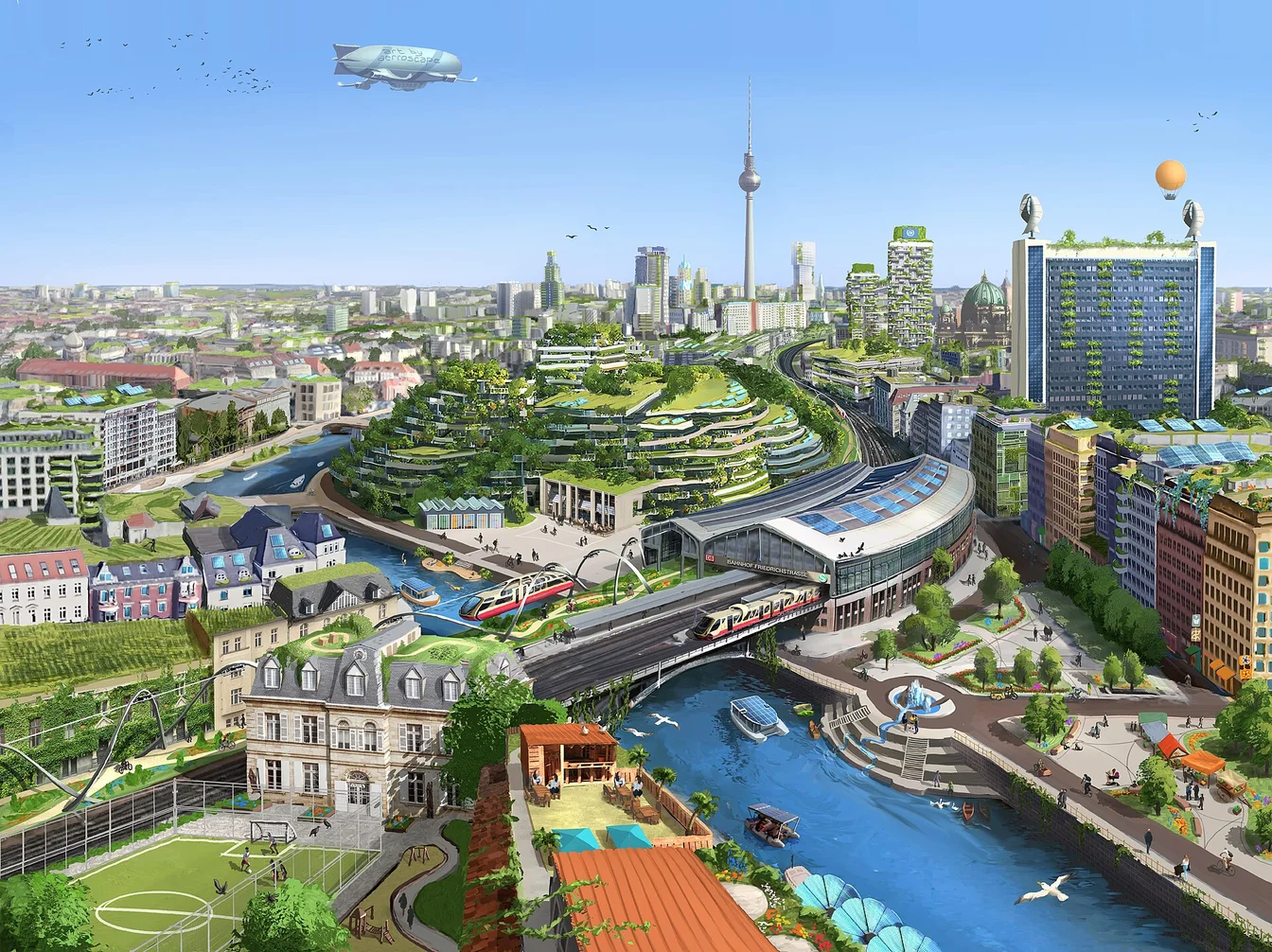
Who Paid for This and Why?
The $4.2 billion price tag came from a mix of government funding, private investment, and tech company partnerships. The biggest contributors? A consortium of three major tech firms who see this as a proof-of-concept for future projects worldwide.
According to Forbes’ analysis of smart city economics, the global smart city market could reach $2.5 trillion by 2030. This project is a down payment on that future. And the investors aren’t being shy about their ambitions — they want to build ten more of these by 2035.
The Business Model
How does an autonomous smart city make money? Revenue comes from several sources. Residents pay standard rent and utility fees. Businesses lease commercial spaces at premium rates because the tech infrastructure is already built in. Tourism is another big earner — people want to see the city of the future, even if they don’t want to live in it.
The project also licenses its AI management platform to other cities. Think of it as software-as-a-service, but for entire neighborhoods. It’s a model that could scale fast if the first sector proves successful.
What Critics Are Saying About the Autonomous Smart City
Not everyone is cheering. Urban sociologists worry about the loss of community that comes with automated living. Labor unions point out that autonomous systems eliminate thousands of municipal jobs. And cybersecurity experts say any connected system — no matter how well protected — is a target.
Job Displacement Concerns
Bus drivers, sanitation workers, building managers — these roles are largely unnecessary in the autonomous smart city. The project claims it has retraining programs for displaced workers. But retraining a 55-year-old bus driver to become an AI technician isn’t realistic for most people.
We think this is the hardest question the smart city movement has to answer. Technology creates new jobs, yes. But the transition period can be brutal for real people with real bills to pay.
Security and Hack Risks
If a single AI system runs everything, a single breach could shut everything down. The project uses quantum encryption and redundant backup systems. But as Wired has reported on infrastructure cybersecurity, determined attackers always find a way. It’s not a question of if, but when.
The sector has emergency manual overrides for critical systems. But switching from AI to manual control in a crisis? That transition could be messy and dangerous.
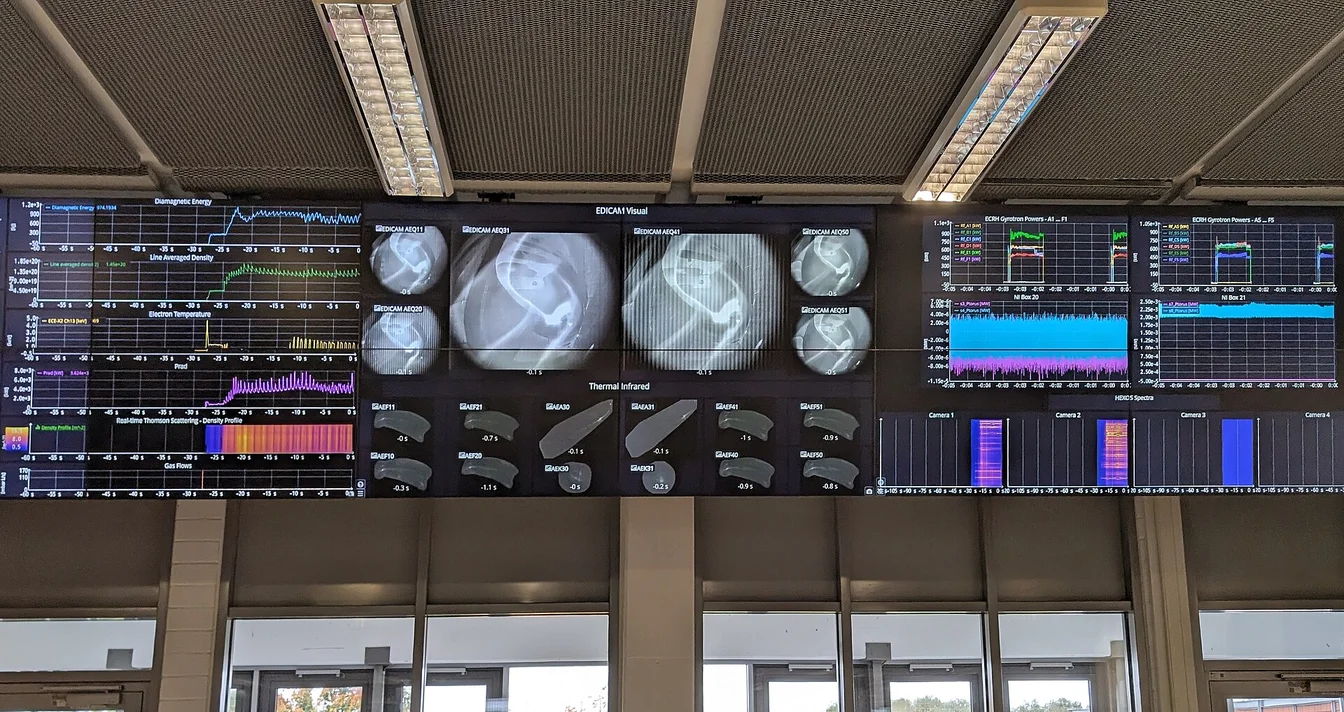
What This Means for Cities Everywhere
Whether you love or hate the idea, the autonomous smart city model is coming. Tokyo, Dubai, and Copenhagen have already announced plans for similar districts. The question isn’t whether smart cities will spread — it’s how fast and how far.
If you’re interested in how technology is reshaping our world, you might also want to check out our coverage of quantum AI breakthroughs and the tech trends driving these changes. The hardware behind these cities is advancing just as fast as the ideas.
The Timeline for Expansion
The developers say Phase 2 — expanding the sector to 500 acres — will begin in 2027. Full city-scale deployment is planned for 2030. If those timelines hold, we could see a truly autonomous city of 100,000 people within five years.
That’s ambitious. Maybe too ambitious. But the technology exists today. The real challenge is political, social, and economic — not technical.
Lessons for Smaller Cities
Not every town needs a $4 billion AI district. But smaller cities can adopt pieces of this model. Smart traffic management, automated waste collection, and AI-assisted energy grids are all available now at much lower costs. The autonomous smart city proves the concept works. Now it’s up to local leaders to figure out which parts make sense for their communities.
Frequently Asked Questions
What is an autonomous smart city?
An autonomous smart city is a district where AI systems manage infrastructure, public services, and daily operations with minimal human oversight. Unlike traditional smart cities that use technology to help human managers, autonomous smart cities let AI make decisions directly.
How many people live in the first autonomous smart city sector?
As of early 2026, roughly 15,000 residents live in the first autonomous smart city sector. Plans call for expansion to accommodate up to 50,000 people by 2028.
Is the autonomous smart city safe?
Early data shows significant safety improvements, including a 73% drop in traffic accidents. However, cybersecurity risks remain a concern. The project uses quantum encryption and backup systems, but no connected system is completely immune to attacks.
Can residents opt out of data collection?
Yes, residents can choose a minimal participation mode that limits data collection. However, many smart services work better with full data access, so opt-out residents may not experience the full benefits of the autonomous smart city.
How much did the autonomous smart city cost to build?
The project cost approximately $4.2 billion, funded through government grants, private investment, and tech company partnerships. Revenue comes from rent, utility fees, tourism, and licensing the AI management platform.
Will more autonomous smart cities be built?
Yes. Tokyo, Dubai, and Copenhagen have already announced plans for similar districts. The developers of the first sector aim to build ten more by 2035, with full city-scale deployment targeted for 2030.
This article is for informational purposes. Details are based on publicly available sources and may change.