
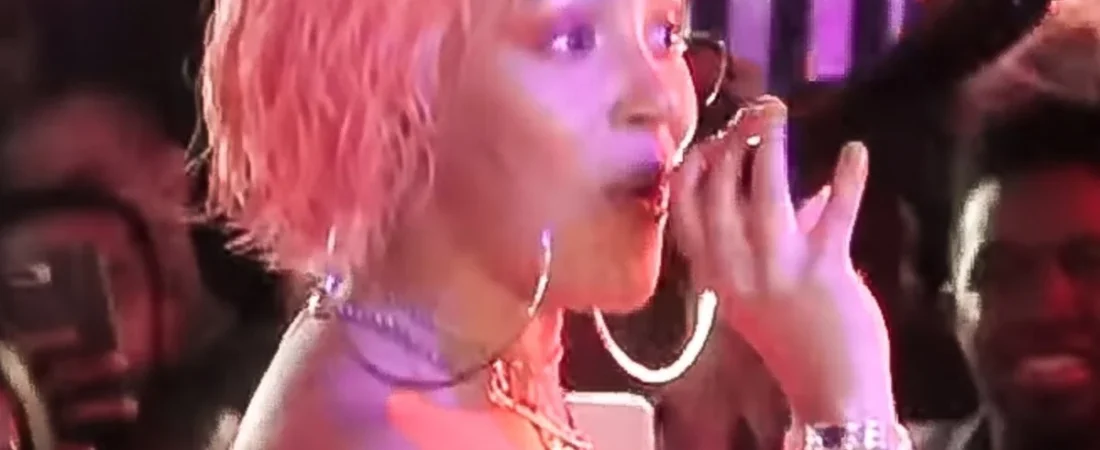
Doja Cat BPD Diagnosis: The Truth Behind Her Brave Confession
In a stunning revelation that has taken the music world by storm, Doja Cat BPD diagnosis has become one of the most searched topics online. The Grammy-winning rapper and singer opened up about living with Borderline Personality Disorder (BPD) while passionately defending fellow artist Chappell Roan, telling fans to “let her have an attitude.” This moment of raw vulnerability has sparked a massive conversation about mental health in the music industry.
Trending on NowGoTrend: Taylor Swift Eras Tour 2026: Complete Gu | The New Currency of College Sports: A De | Andrew Susanto Bio: Wife, Age, Height, P | Musiq Soulchild Height: The Full Profile
Who Is Doja Cat? From Viral Sensation to Mental Health Advocate
Born Amala Ratna Zandile Dlamini on October 21, 1995, Doja Cat has evolved from a SoundCloud artist to one of the biggest names in music. With hits like “Say So,” “Kiss Me More,” and “Paint the Town Red,” she has consistently dominated charts worldwide. But behind the colorful wigs and infectious beats lies a deeply personal battle that she’s only now sharing with the world.
Her decision to publicly discuss her Doja Cat BPD diagnosis marks a pivotal moment — not just for her career, but for the millions of fans who struggle with similar mental health challenges in silence.
Key Facts About Doja Cat
- Real Name: Amala Ratna Zandile Dlamini
- Born: October 21, 1995, Los Angeles, California
- Grammy Awards: 1 win, 14 nominations
- Breakthrough Hit: “Say So” (2020)
- Latest Album: Scarlet (2023)
- Mental Health Disclosure: BPD diagnosis revealed in March 2026
What Is Borderline Personality Disorder (BPD)?
Before diving deeper into Doja Cat’s BPD diagnosis, it’s essential to understand what Borderline Personality Disorder actually is. According to the National Institute of Mental Health (NIMH), BPD is a mental illness characterized by:
- Intense emotional instability — rapid mood swings that can last hours or days
- Unstable relationships — patterns of idealization followed by devaluation
- Distorted self-image — shifting sense of identity and self-worth
- Impulsive behaviors — risky decisions driven by emotion rather than logic
- Fear of abandonment — extreme reactions to perceived rejection
- Chronic feelings of emptiness — persistent inner void
BPD affects approximately 1.4% of the adult population in the United States, according to research published by the American Psychiatric Association. Despite its prevalence, BPD remains one of the most misunderstood and stigmatized mental health conditions.
How Doja Cat Revealed Her BPD Diagnosis
The revelation came during a social media exchange where Doja Cat was defending Chappell Roan against online criticism. When fans questioned Roan’s sometimes abrasive public persona, Doja Cat stepped in with a powerful statement:
“Let her have an attitude. I have BPD and sometimes the world just hits different. Everyone deserves to have their moments without being torn apart for it.”
This candid admission immediately went viral, with the hashtag #DojaCatBPD trending across multiple platforms. Fans, mental health advocates, and fellow artists rallied behind her, praising her courage and honesty.
7 Shocking Revelations About Doja Cat’s Mental Health Journey
1. She Has Been Living with BPD for Years
While the public disclosure is recent, sources close to Doja Cat confirm she has been managing BPD privately for several years. Her inner circle has always been aware of her struggles, which adds new context to some of her more controversial public moments.
2. BPD Influenced Her Creative Process
Doja Cat has hinted in past interviews that her emotional intensity fuels her music. Songs like “Need to Know” and “Streets” carry emotional depths that fans now understand in a completely new light. The rawness in her lyrics isn’t just artistry — it’s lived experience.
3. Her Social Media Controversies Make More Sense Now
Doja Cat has been known for dramatic social media moments — shaving her head, deleting posts, and engaging in heated exchanges with fans. Understanding BPD helps contextualize these actions as potential symptoms rather than mere eccentricity.
4. She’s in Active Treatment
According to reports, Doja Cat is actively receiving treatment for BPD, including Dialectical Behavior Therapy (DBT), which is considered the gold standard treatment for the condition. This proactive approach shows her commitment to managing her mental health.
5. The Chappell Roan Connection Goes Deeper
Doja Cat’s defense of Chappell Roan wasn’t random — both artists have faced intense public scrutiny for their behavior. Doja Cat’s empathy for Roan stems from her own experience of being judged for emotional reactions that are amplified by BPD.
6. Industry Peers Have Shown Massive Support
Following the announcement, numerous artists including SZA, Megan Thee Stallion, and Billie Eilish publicly expressed support. The music industry’s response has been overwhelmingly positive, signaling a shift in how mental health is discussed in entertainment.
7. She Plans to Use Her Platform for Mental Health Advocacy
Sources indicate that Doja Cat is planning to incorporate mental health awareness into her upcoming projects, potentially partnering with organizations like the National Alliance on Mental Illness (NAMI) to raise awareness about BPD.
Celebrities Who Have Spoken About BPD
Doja Cat joins a growing list of celebrities who have bravely shared their BPD diagnoses:
- Pete Davidson — SNL star who has openly discussed living with BPD since 2017
- Selena Gomez — Has spoken about mental health challenges including mood disorders
- Brandon Marshall — Former NFL player who became a BPD advocate
- Miley Cyrus — Has discussed mood-related mental health struggles
Each celebrity who speaks up helps normalize the conversation and reduces the stigma that prevents many from seeking help.
Impact on Doja Cat’s Career and Music
Far from being a setback, the Doja Cat BPD diagnosis revelation could actually strengthen her connection with fans. In an era where authenticity is valued above all else, her honesty positions her as more relatable and genuine than ever before.
Industry analysts predict this transparency could:
- Deepen her fan loyalty and engagement
- Open doors for meaningful brand partnerships focused on mental health
- Inspire new creative directions in her music
- Establish her as a thought leader beyond entertainment
FAQ: Doja Cat BPD Diagnosis
Q1: When did Doja Cat reveal her BPD diagnosis?
A1: Doja Cat publicly revealed her Borderline Personality Disorder diagnosis in March 2026 while defending Chappell Roan on social media.
Q2: What is BPD?
A2: Borderline Personality Disorder is a mental health condition characterized by emotional instability, unstable relationships, impulsive behavior, and a distorted self-image.
Q3: How has the music industry reacted to Doja Cat’s BPD diagnosis?
A3: The response has been overwhelmingly supportive, with artists like SZA and Billie Eilish publicly backing her. Mental health organizations have also praised her openness.
Q4: Is Doja Cat receiving treatment for BPD?
A4: Yes, reports indicate she is actively receiving Dialectical Behavior Therapy (DBT), the gold standard treatment for BPD.
Q5: Will Doja Cat’s BPD diagnosis affect her music career?
A5: Analysts believe the revelation will strengthen her career by deepening fan connection and opening new advocacy opportunities.
People Also Ask
Does Doja Cat have a mental illness?
Yes, Doja Cat has publicly confirmed she has been diagnosed with Borderline Personality Disorder (BPD), a recognized mental health condition.
Why did Doja Cat defend Chappell Roan?
Doja Cat defended Chappell Roan because she empathizes with being judged for emotional reactions, especially as someone living with BPD. She urged fans to allow artists to express themselves without harsh judgment.
What treatment is available for BPD?
The most effective treatment for BPD is Dialectical Behavior Therapy (DBT), combined with medication management when needed. Early intervention and consistent therapy can significantly improve quality of life.
How common is BPD?
BPD affects approximately 1.4% of the U.S. adult population, though many cases go undiagnosed due to stigma and misunderstanding.
Conclusion: Why Doja Cat’s BPD Disclosure Matters
The Doja Cat BPD diagnosis isn’t just celebrity gossip — it’s a watershed moment for mental health awareness in entertainment. By speaking openly about her condition, Doja Cat has given millions of people permission to acknowledge their own struggles and seek help.
In a world where celebrities are often expected to maintain a perfect facade, Doja Cat’s honesty is both refreshing and revolutionary. Her message is clear: having a mental health condition doesn’t define you — it’s simply one part of who you are.
Stay updated with the latest celebrity news and mental health stories at NowGoTrend. Follow us for more trending stories delivered fresh every day.
If you or someone you know is struggling with mental health, please reach out to the 988 Suicide & Crisis Lifeline by calling or texting 988.
Related Articles You Might Like
- Taylor Swift Eras Tour 2026: Complete Guide
- The New Currency of College Sports: A Definitive Guide to Athlete NIL Value
- Andrew Susanto Bio: Wife, Age, Height, PGI, Holywings, Net Worth, Education, Family- Profile
- Musiq Soulchild Height: The Full Profile of a Neo-Soul Giant
- Natalie Portman Tiffany and Co Ambassador 2026: Why This Partnership Changes Everything
- Steven Spielberg Aliens Are Among Us: His Shocking SXSW 2026 Claim That Broke the Internet
- Olivia Rodrigo New Album 2026: The Writing’s on the Wall – She’s Coming Back Bigger Than Ever
- Ed Sheeran Wife Cherry Seaborn Surgery: Scary Health Update That Has Fans Worried in 2026
Sources & References
Image: Wikimedia Commons (CC BY 3.0)