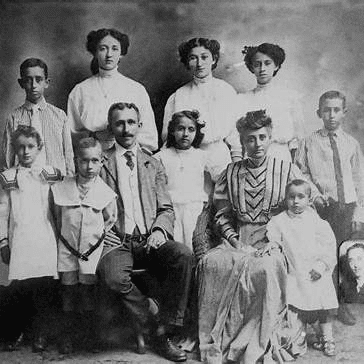
Introduction to Sara María Echeverri
The name Sara María Echeverri carries a blend of remarkable triumphs and tragic struggles. Born in Rionegro, Antioquia, Colombia, in 1878, she lived through a period of Colombian history marked by cultural evolution, political instability, and social transformation.
Though less discussed in mainstream historical narratives, Sara María Echeverri remains a significant figure for genealogists, historians, and families tracing their Colombian heritage. Her story intertwines with that of Antioquia’s cultural development and the broader legacy of Colombian families who shaped society across generations.

Table of Contents
Early Life and Family Roots
Sara María Echeverri was born in 1878 in Rionegro, Antioquia, a Colombian town known for its cultural richness and political importance. Her family carried the traditional values of Catholic faith, social respect, and resilience that were central to Antioquia’s identity in the late 19th century.
Her early years were shaped by Colombia’s socio-political turbulence. Civil wars and regional conflicts defined the backdrop of her childhood, influencing how families like hers adapted to both hardship and opportunity.
Historical Context of Antioquia
Antioquia was one of Colombia’s most vibrant regions, often regarded as the “heart” of entrepreneurial and cultural development. Families in the area were known for their strong emphasis on education, trade, and religious tradition.
Sara María Echeverri’s upbringing reflected these values, preparing her for a life where family, resilience, and community mattered deeply.
Key Points:
- Born in 1878 in Rionegro, Antioquia, Colombia.
- Raised during an era of political and cultural transformation.
Marriage and Family Life
Sara María Echeverri married Pablo Emilio Escobar Echeverri, a member of a respected Antioquian family. Their union symbolized the merging of two significant family lineages, reinforcing traditional values while passing on legacies to future generations.
Children and Descendants
Together, Sara María Echeverri and Pablo Emilio Escobar Echeverri raised children who would become part of Colombia’s historical and cultural fabric. Genealogical records confirm her descendants carried forward the Echeverri name, embedding it into Colombian society.
Families like hers played important roles in local politics, religion, and social advancement, ensuring that their names remained tied to Antioquia’s evolving identity.
Key Points:
- Married Pablo Emilio Escobar Echeverri.
- Left a strong generational legacy through descendants.
Cultural and Social Environment
The late 19th and early 20th centuries were transformative for Colombia. As Sara María Echeverri matured, she witnessed:
- The expansion of Catholic traditions across Antioquia.
- The rise of coffee trade that shaped regional wealth.
- The struggles of Colombian women in asserting their presence within patriarchal societies.
Her life serves as a reflection of Colombian women’s resilience—balancing family responsibilities with cultural influence, even if history often under-recognizes their impact.
Key Points:
- Witnessed coffee trade expansion and cultural shifts.
- Embodied resilience typical of Colombian women of her era.
Achievements and Influence
Although not a public political figure, Sara María Echeverri’s greatest achievements lay in her family-building, cultural influence, and intergenerational legacy.
Her lineage became part of Antioquia’s genealogical heritage, studied by historians and cultural researchers. This recognition places her among the quiet influencers of Colombian society.

Key Points:
- Her influence preserved through genealogy and history.
- Represented the quiet but powerful role of Colombian women.
Controversies and Struggles
Like many families of her era, the Echeverri lineage faced struggles, including political instability, regional conflicts, and economic uncertainty. Some genealogical records indicate disputes within extended family structures and challenges in preserving property and social status.
While not personally controversial in the public sense, Sara María Echeverri’s life was marked by struggles familiar to Colombian families navigating uncertain times.
Key Points:
- Faced societal and economic struggles of her era.
- Family controversies tied to inheritance and politics.
Legacy of Sara María Echeverri
Sara María Echeverri passed away in 1953, leaving behind not only a family but also a cultural footprint embedded in Antioquia’s historical memory.
Today, genealogists and Colombian families researching their roots often come across her name, associating it with tradition, resilience, and cultural continuity.
Key Points:
- Died in 1953, closing a chapter of Colombian family history.
- Remembered for resilience and intergenerational influence.
Connection to Colombian History
Sara María Echeverri’s life mirrors Colombia’s transition from the 19th to the 20th century. Her personal story provides insight into:
- How families adapted to civil wars.
- The role of women in shaping future generations.
- The importance of Antioquia as a hub of Colombian identity.
Her story remains essential for understanding the human side of Colombian history often overshadowed by politics and wars.
Key Points:
- Connects family history to broader Colombian narratives.
- Reflects the resilience of Antioquian identity.
People Also Ask
Who was Sara María Echeverri?
Sara María Echeverri was a Colombian woman born in 1878 in Rionegro, Antioquia. She married Pablo Emilio Escobar Echeverri and became a matriarchal figure whose family lineage remains part of Colombian genealogical studies.
When did Sara María Echeverri live?
She lived between 1878 and 1953, a time of political turbulence and cultural transformation in Colombia.
What is the significance of Sara María Echeverri’s family?
Her family connections represent Antioquian traditions, Catholic values, and generational influence in Colombian society.
Is Sara María Echeverri related to Pablo Escobar?
Genealogical records mention the name Pablo Emilio Escobar Echeverri, but there is no verified direct connection to Pablo Emilio Escobar Gaviria, the infamous figure of Medellín.
FAQ on Sara María Echeverri
- Who was Sara María Echeverri?
Sara María Echeverri was a Colombian woman born in Antioquia in 1878, remembered for her family legacy and genealogical significance. - Where was Sara María Echeverri born?
She was born in Rionegro, Antioquia, Colombia, a region central to Colombian history. - When did Sara María Echeverri die?
She passed away in 1953, leaving a legacy of resilience. - Why is Sara María Echeverri studied today?
She is studied in genealogical and historical contexts, offering insight into Colombian family history. - What is Sara María Echeverri’s legacy?
Her legacy lies in her descendants and her reflection of Antioquian values.
Conclusion
The story of Sara María Echeverri may not be filled with political fame or public headlines, but her life embodies the strength of Colombian families who lived through tumultuous times and preserved cultural traditions.
For readers seeking more historical family profiles, explore Colombian family legacies on NowGoTrend and cultural history resources on NowGoTrending.

One thought on “Sara María Echeverri: 7 Remarkable Triumphs & Tragic Struggles”