If you’re still writing every blog post, every product description, and every social media caption by hand, you’re leaving money on the table. We’ve tested dozens of AI content tools over the past year, and we’re going to tell you exactly which ones actually move the needle on traffic and ROI — and which ones are just hype.
[rank_math_toc]
What Are AI Content Automation Tools?
AI content automation tools are software programs that use artificial intelligence to create, edit, or manage written content with less human effort. Think of them as your writing assistant that never sleeps. They can generate blog posts, rewrite existing articles, create meta descriptions, draft email sequences, and even plan out your content calendar. For more on this topic, see our guide on AI prompt generator for ChatGPT. For more on this topic, see our guide on high CPM niches for AI websites.
But here’s the thing — not all AI tools are the same. Some are genuinely useful and save you hours every week. Others produce flat, generic text that’ll tank your search rankings faster than you can say “AI-generated content.” We’ve seen both, and we’ll help you tell the difference.
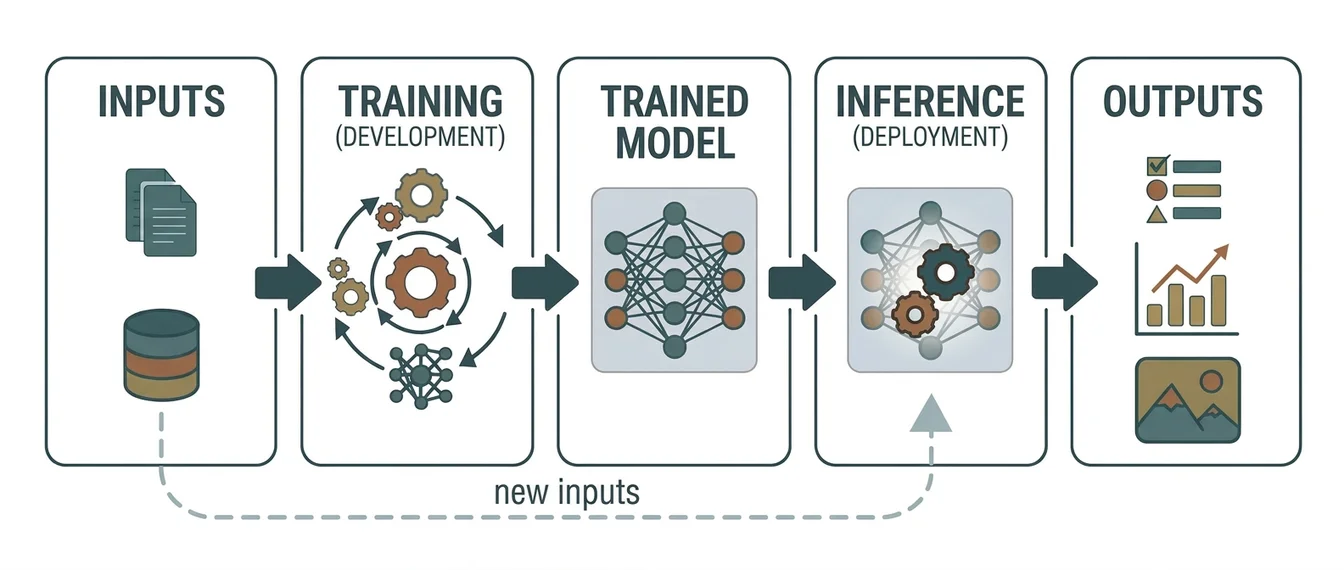
The basic idea is simple: you give the tool a prompt or some instructions, and it generates text based on what it learned from reading billions of web pages. The best tools let you control the tone, style, and structure so the output actually sounds like your brand.
Why AI Content Automation Matters for Traffic and ROI
Let’s talk numbers. According to HubSpot’s marketing statistics, companies that publish 16+ blog posts per month get roughly 3.5 times more traffic than those that publish fewer than four. But who has time to write 16 posts a month? That’s where automation comes in.
We think AI content tools matter for three big reasons:
1. Speed and Volume
You can produce 3-5 times more content with AI assistance. A blog post that used to take 4 hours can take 45 minutes when you use AI for the first draft and then edit it yourself. More content = more indexed pages = more chances to rank.
2. Cost Savings
Freelance writers charge anywhere from $50 to $500 per article. AI tools cost between $20 and $100 per month for unlimited or near-unlimited output. Even if you still hire editors to clean up the AI output, you’re cutting your content costs by 50-70%.
3. Consistency
AI doesn’t get writer’s block. It doesn’t call in sick. It doesn’t miss deadlines. If you need to publish on a schedule (and you should), AI tools make that realistic for solo creators and small teams.
How to Choose the Right AI Tool for Your Needs
Before we get into specific tools, let’s set some ground rules. We recommend evaluating any AI content tool against these four criteria:
Output quality: Does the text read naturally, or does it sound like a robot wrote it? Read samples out loud. If they sound weird, skip it.
Customization: Can you set the tone, style, and format? The best tools let you create brand voices and templates so every piece sounds like you.
SEO features: Does the tool understand keyword placement, heading structure, and meta descriptions? Some tools have built-in SEO scoring, which saves you a step.
Price-to-value ratio: Don’t pay for features you won’t use. Start with a free trial, test the output, and then commit.
For checking how your content stacks up keyword-wise, try our keyword density checker — it’s free and helps you avoid over-optimization.
The Best AI Tools for Content Automation
We’ve grouped these tools by what they do best. No tool does everything perfectly, so think about your biggest pain point first.
For Blog Post Writing: ChatGPT and Claude
OpenAI’s ChatGPT and Anthropic’s Claude are the two heavyweights. Both can write full blog posts from a prompt. We think Claude tends to produce more natural-sounding long-form content, while ChatGPT is better at following strict formatting instructions.
The trick is in the prompt. Don’t just say “write a blog post about X.” Instead, give it structure: “Write a 1,500-word blog post about [topic]. Use an H2 after the intro. Include 3 H3 subheadings. Write in a casual, opinionated tone. Use contractions. Avoid jargon.” The more specific you are, the better the output.
Need help crafting better prompts? Our AI prompt generator gives you ready-to-use prompts tuned for content creation.
For SEO-Optimized Content: Jasper and Surfer SEO
Jasper (formerly Jarvis) is built specifically for marketers. It has templates for blog posts, ad copy, product descriptions, and more. What sets it apart is its integration with Surfer SEO, which scores your content against top-ranking pages for your target keyword.
According to Moz’s Beginner’s Guide to SEO, on-page optimization accounts for a significant chunk of ranking factors. Jasper + Surfer helps you nail those factors without becoming an SEO expert.
For Content Editing and Improvement: Grammarly and ProWritingAid
AI writing isn’t perfect — it needs a human edit. Grammarly catches grammar mistakes and suggests clarity improvements. ProWritingAid goes deeper with style reports, readability scores, and overused word checks. We use both, but if you can only pick one, Grammarly’s free version is hard to beat.
For Bulk Content: Autoblogging.ai and Content at Scale
If you need to produce dozens or hundreds of articles — say, for a programmatic SEO site — these tools are worth a look. Autoblogging.ai generates full posts from keywords, and Content at Scale promises “SEO-rich, humanlike content” in bulk.
Bulk content is risky if you don’t edit, though. Google has gotten better at detecting low-quality AI content. Our advice: always edit, always add original insights, and always check keyword balance with our free online text tools.

Real-World Use Cases for AI Content Automation
Let’s get practical. Here’s how real people are using these tools to grow traffic and make money.
Use Case 1: Niche Blog Scaling
Say you run a site about home improvement. You currently publish 4 posts per month. With AI assistance, you could scale to 12-16 posts per month by using AI for first drafts and spending your time editing and adding personal experience. More posts = more traffic = more ad revenue and affiliate income. If you want to pick a profitable niche, check out our high CPM niches guide.
Use Case 2: E-Commerce Product Descriptions
Writing 500 product descriptions by hand is painful. AI tools can generate them in hours instead of weeks. Feed the tool your product specs and brand voice, review the output, and publish. This alone can save thousands of dollars in freelancer costs.
Use Case 3: Email Marketing Sequences
AI tools can draft entire email sequences — welcome series, nurture campaigns, promotional blasts. You set the goal and audience, and the tool generates subject lines, body copy, and calls to action. Then you tweak and schedule.
Use Case 4: Programmatic SEO Sites
Programmatic SEO involves creating hundreds of pages targeting long-tail keywords. AI makes this possible for solo creators. You create a template, feed the AI a list of keywords, and generate pages at scale. We cover this strategy in detail in our programmatic SEO guide.
Common Mistakes People Make with AI Content
We’ve seen plenty of people crash and burn with AI content. Here are the mistakes to avoid:
Publishing without editing. This is the #1 killer. AI makes factual errors, repeats itself, and sometimes writes total nonsense. Always read and edit every piece before publishing.
Using the same tool for everything. ChatGPT is great for drafting, but it’s not a dedicated SEO tool. Use the right tool for the right job.
Ignoring your brand voice. If your site is casual and funny, don’t let AI write in a stiff, formal tone. Set your brand voice guidelines in the tool or edit the output to match.
Skipping original research. AI can only recombine what it’s already read. If you want to stand out, add your own data, interviews, and experiences on top of the AI draft.
Keyword stuffing. Some AI tools over-optimize. Check your content with a keyword density checker to make sure you’re not overdoing it.
How to Measure ROI on AI Content Tools
Here’s a simple formula we use:
ROI = (Revenue from AI-assisted content – Cost of tools) / Cost of tools × 100
Track these metrics monthly:
- Organic traffic to AI-assisted posts
- Revenue per post (ad income, affiliate clicks, product sales)
- Time saved per post vs. manual writing
- Cost per post (tool subscription ÷ posts per month)
If you’re spending $50/month on a tool and it helps you create 20 posts that generate $500 in ad revenue, your ROI is 900%. That’s the kind of math that makes AI tools worth it. For more on building profitable content sites, see our AI tools for content automation page.
See Also
- Best Ai Tools Content Automation
- High Cpm Niches Ai Tool Websites Guide
- Programmatic Seo Website Passive Income
Frequently Asked Questions
Can Google detect AI-generated content?
Google has said it doesn’t penalize content just for being AI-generated — it penalizes content that’s low-quality, unhelpful, or spammy. If your AI content is well-edited, accurate, and genuinely useful, you should be fine. The problem is when people publish raw AI output without any editing or fact-checking.
Which AI tool is best for beginners?
We think ChatGPT’s free version is the best starting point. It’s free, easy to use, and good enough to show you what AI content can do. Once you understand how prompts work, upgrade to a paid tool with more features.
How much does AI content automation cost?
Most tools range from free to $100/month for individual plans. Enterprise plans can go much higher. Start with free trials, figure out what you actually need, and then pay for what moves the needle.
Is AI content as good as human-written content?
Not straight out of the box. AI content needs editing, fact-checking, and a human touch to be truly good. But as a first draft generator and time-saver, it’s incredibly valuable. We think the best approach is “AI drafts, humans refine.”
How do I avoid duplicate content issues with AI tools?
Always edit AI output significantly — change the structure, add original examples, insert your own opinions, and run it through a plagiarism checker. The more you personalize it, the less likely you’ll have duplicate content problems.
Can I use AI tools for client work?
Yes, but be transparent. Many agencies now use AI as part of their workflow. The key is delivering quality results. If you edit the AI output thoroughly and add value, clients generally don’t mind — but they should know your process.
Disclaimer: The tools mentioned in this article are based on our personal testing and opinions. We’re not affiliated with any of these companies unless stated otherwise. Prices and features may change. Always do your own research before purchasing any software. Some links on this page may be affiliate links, meaning we earn a small commission if you click through and make a purchase — at no extra cost to you.