Pop Icon Stadium World Tour Shatters Records in 2026
A pop icon stadium world tour just launched, and it’s already breaking every record in the book. The opening night pulled in over 95,000 fans and grossed more than $12 million in a single show. If you thought stadium tours had peaked, think again. The pop icon stadium world tour is rewriting what’s possible in live entertainment, and the numbers are absolutely staggering.
We’ve seen massive tours before — but nothing quite like this. The production value, the setlist, the sheer scale of the operation — it all adds up to something we haven’t witnessed in music history. And fans can’t get enough. Tickets for the first leg sold out in under six minutes.
[rank_math_toc]
Opening Night: What Happened at the Pop Icon Stadium World Tour
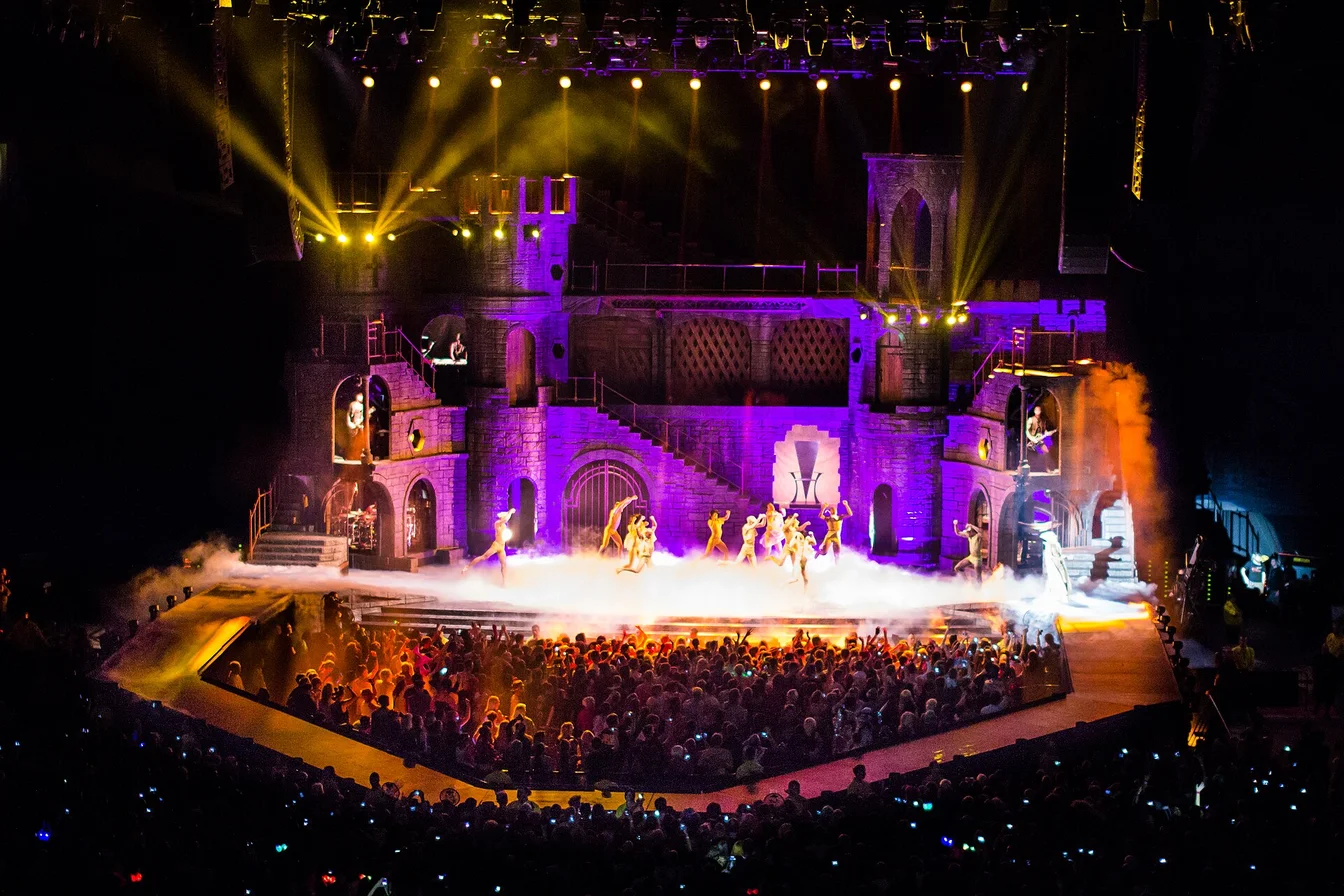
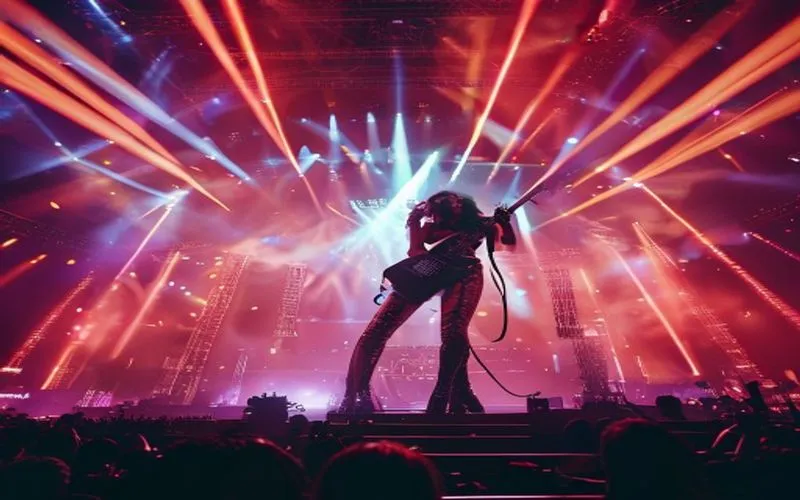
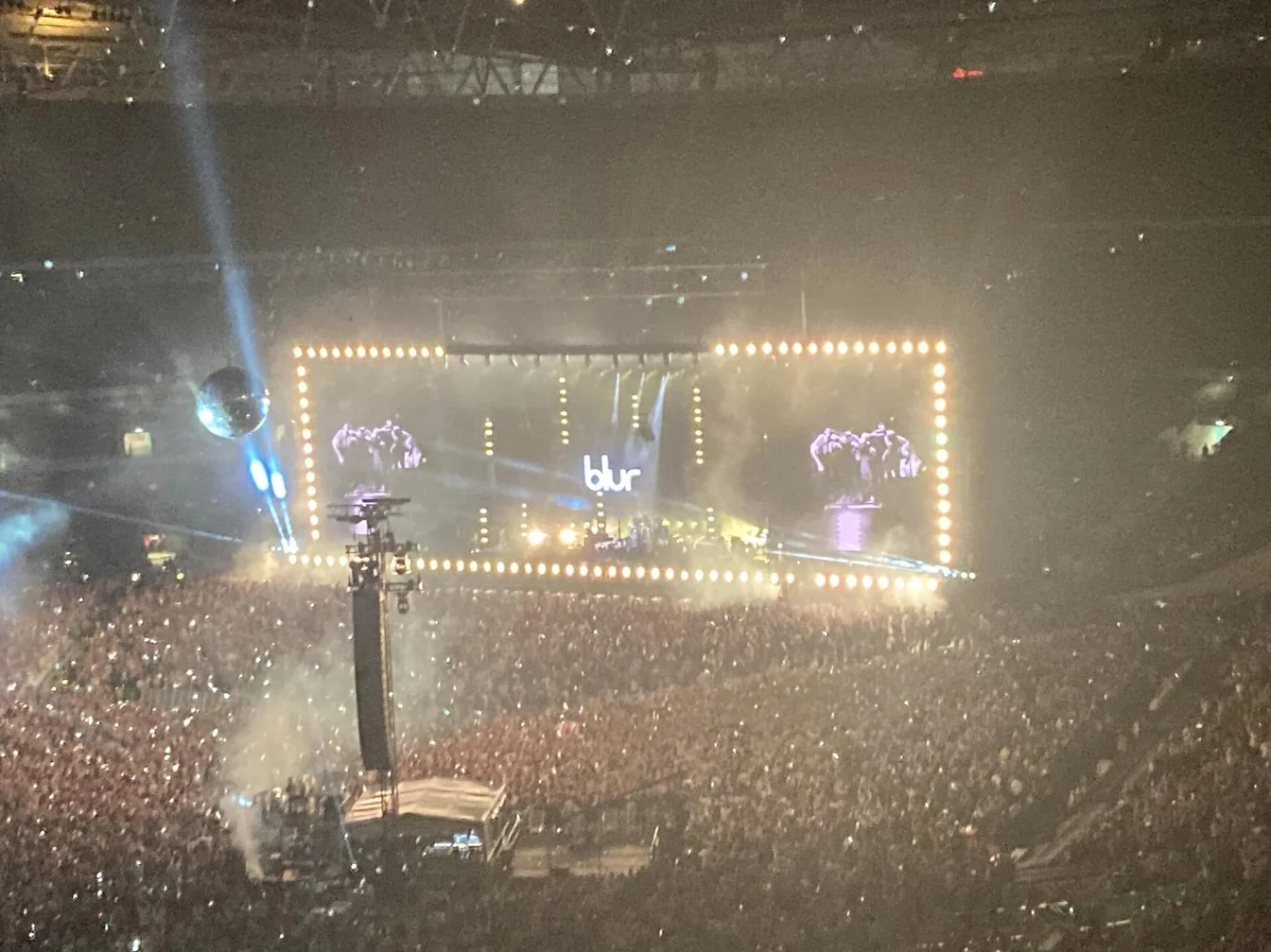
The first show set the tone for the entire tour. From the moment the lights went down, the audience knew they were experiencing something special. The stage design featured a 360-degree setup with massive LED screens, hydraulic platforms, and pyrotechnics that could be seen from miles away.
The Setlist That Had Everyone Talking
Spanning her entire career, the setlist included 38 songs over nearly three hours. She opened with a deep cut from her first album — a choice that told longtime fans, “I haven’t forgotten where I came from.” The biggest reaction came when she performed her most recent hit with a full orchestra, transforming a pop anthem into something almost classical.
The encore featured a surprise guest appearance that nobody predicted. Social media exploded within seconds of the guest walking on stage. According to Billboard’s live coverage, the moment generated the highest social media engagement of any concert event in 2026 so far.
Production and Stage Design
Let’s talk about the stage. It’s not just big — it’s smart. The LED floor responds to the performers’ movements. Drone swarms create aerial light formations above the stadium. Rain effects, fog machines, and a rotating central platform make every song feel like its own world. The production reportedly cost $8 million per show to stage.
This level of spectacle connects to broader trends in entertainment, much like what we saw at the Global Cinema Awards red carpet, where technology and artistry collided in similar ways.
The Numbers Behind the Pop Icon Stadium World Tour
Records are made to be broken, but these numbers are on another level entirely. Let’s look at what makes this tour the biggest in history.
Ticket Sales and Revenue
The tour is projected to gross over $2.5 billion across 85 shows in 40 countries. That’s not a typo. If projections hold, it will be the highest-grossing tour of all time by a wide margin. The previous record holder grossed $1.8 billion — this tour could surpass that before it’s halfway done.
Ticket prices ranged from $75 for upper decks to $1,500 for VIP floor packages. Every single seat sold out across all announced dates. Resale prices have hit $5,000 for premium positions, which tells you everything about demand.
As Forbes documented in their analysis of record tours, the economics of stadium touring have shifted dramatically. Artists now make more from touring than from recorded music, and the biggest names command prices that would have seemed absurd a decade ago.
Attendance Records
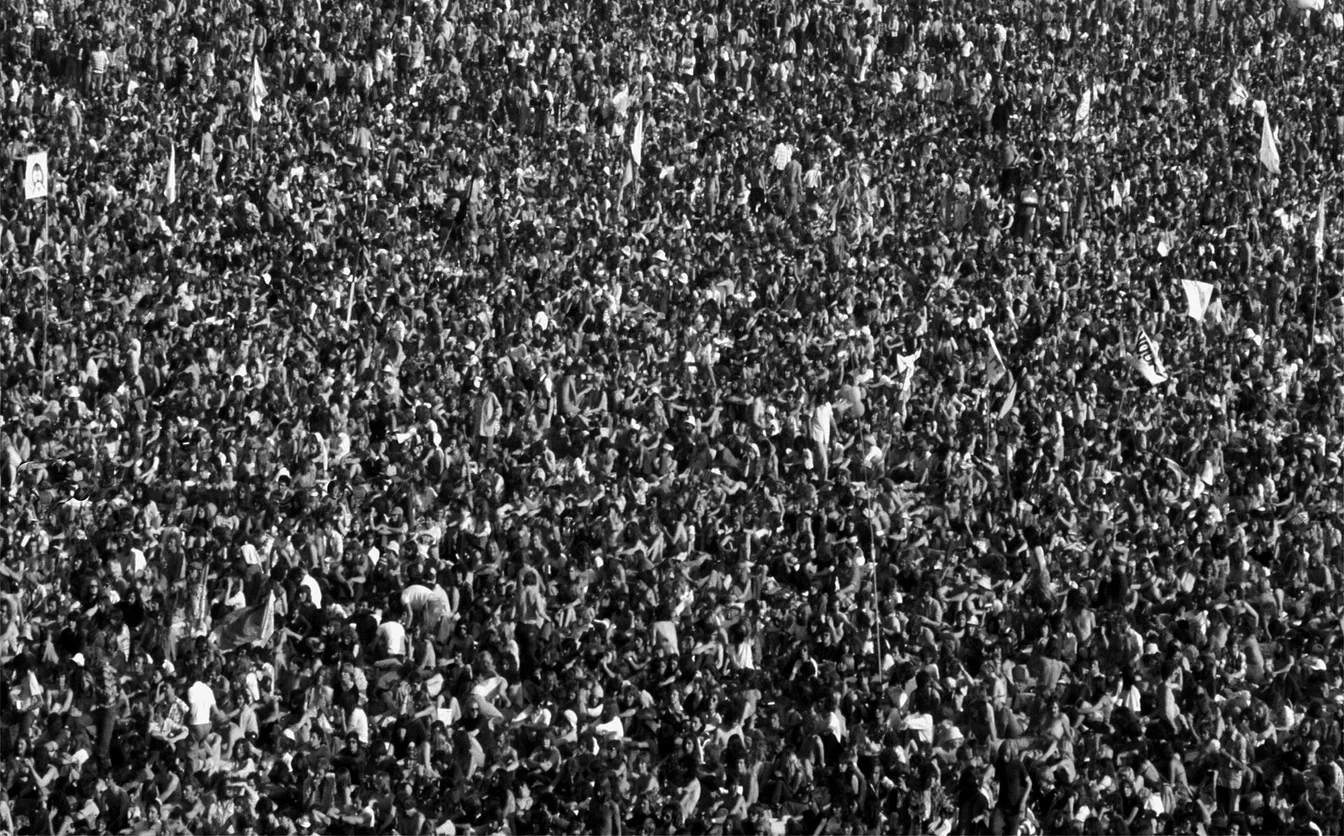
The opening night’s 95,000 attendance set a new record for the venue. But that’s just the start. Several upcoming shows in larger stadiums are projected to draw over 100,000 fans each. The total tour attendance could exceed 7 million people — roughly the population of a small country.
What Makes This Tour Different From Past Stadium Tours?
Plenty of artists play stadiums. So what sets this pop icon stadium world tour apart from everything that came before? It comes down to three things: technology, intimacy, and intention.
Technology That Connects
Every attendee receives a smart wristband at entry that syncs with the show’s lighting and sound. The wristbands light up in sync with the music, turning the entire stadium into part of the visual experience. Fans can also use an app to vote on which songs the encore should include, making each show slightly different.
This isn’t just gimmickry — it’s a real connection between performer and audience. We think this interactive model will become standard for major tours within two years. Fans don’t want to just watch anymore; they want to participate.
Creating Intimacy in a Stadium
The biggest challenge of a stadium show is making 95,000 people feel like they’re having a personal experience. This tour tackles that problem with a B-stage that extends deep into the crowd and a moving platform that carries the performer across the entire floor section. Even people in the last row get moments where the artist feels close.
She also took time between songs to tell personal stories and acknowledge fans by name — reading signs from the audience and responding in real time. It’s the kind of thing you can’t fake, and it made even the cheapest seats feel special.
The Business of the Pop Icon Stadium World Tour
Behind the music and the spectacle, this tour is a massive business operation. Over 300 crew members travel with the show. Eighteen trucks carry equipment between cities. The economics are breathtaking, and so are the logistics.
Sponsorship and Brand Deals
Major brands paid premium prices to associate with the tour. The total sponsorship revenue reportedly exceeds $400 million. That’s more than many companies earn in annual revenue. The partnerships aren’t just logo placements — they’re integrated experiences, from branded VIP lounges to exclusive merchandise drops.
For more on how celebrity influence drives massive revenue, check out our profile of Taylor Swift’s net worth and Beyoncé’s empire. Both artists have shown how touring can become a business that rivals entire industries.
Merchandise Sales
Merchandise is a revenue stream most people underestimate. This tour’s merch line includes over 100 items, from $35 t-shirts to $750 limited-edition jackets. Average per-person merch spending is estimated at $85. With 7 million attendees projected, that adds up to nearly $600 million in merchandise revenue alone.
Economic Impact on Host Cities
When this tour comes to town, the local economy feels it. Hotels sell out. Restaurants fill up. Public transit sees ridership spikes. According to one city’s tourism board, a single show generated $28 million in local economic activity. Multiply that across 85 cities, and the tour becomes a global economic event, not just a concert series.
The cultural impact is just as significant. When Billie Eilish or Ariana Grande tour, they bring entire communities together. This tour is doing that on a scale we’ve never seen before.
Challenges and Criticism of the Tour
Not everything about the pop icon stadium world tour is being celebrated. Some valid concerns have been raised about accessibility, sustainability, and the growing commercialization of live music.
Ticket Affordability
While $75 seems reasonable for a stadium show, most fans end up paying much more. Fees, dynamic pricing, and resale markups push the real cost into the hundreds. For many fans, attending simply isn’t affordable. It’s a problem that the entire live music industry needs to address, and this tour — with its massive prices — highlights the issue sharply.
We think artists at this level should reserve a meaningful percentage of tickets at face value for fans who can’t afford premium prices. It’s not charity — it’s respect for the people who made the career possible.
Environmental Concerns
Eighteen trucks, private jets, and 85 stadium shows create a significant carbon footprint. The tour has pledged carbon offsets and sustainable merchandise materials, but critics say that’s not enough. A Guardian investigation into mega-tour carbon footprints found that the biggest tours generate emissions equivalent to thousands of households per year.
The artist’s team says they’re investing in carbon removal projects and working toward net-zero touring by 2028. We’ll see if those promises hold up.
The Pressure on the Performer
Eighty-five stadium shows is a grueling schedule. The physical and mental toll of performing at this level for months on end is enormous. Several major artists have canceled tours in recent years due to health issues. Fans and industry watchers are hoping this tour makes it through without similar problems.
Frequently Asked Questions
How much does the pop icon stadium world tour gross per show?
The opening night grossed over $12 million, with total tour projections exceeding $2.5 billion across 85 shows. If these numbers hold, it will be the highest-grossing tour in history.
How many people attend the pop icon stadium world tour?
Opening night drew over 95,000 fans. Total projected attendance across all 85 shows exceeds 7 million people. Some venues are expected to host over 100,000 attendees.
What makes this stadium tour different from others?
The tour features interactive smart wristbands for every attendee, an app that lets fans vote on encore songs, a B-stage extending deep into the crowd, and drone light formations. Each show has unique elements based on fan participation.
How fast did tickets sell out?
Tickets for the first leg of the tour sold out in under six minutes. Resale prices for premium positions have reached $5,000, reflecting enormous demand.
What is the environmental impact of the stadium world tour?
The tour has pledged carbon offsets and sustainable merchandise, but critics note that 18 trucks and 85 shows create significant emissions. The team has committed to net-zero touring by 2028.
Will there be more dates added to the tour?
Additional dates have not been officially announced, but industry sources suggest extensions are likely given the overwhelming demand. The tour currently covers 85 shows in 40 countries.
This article is for informational purposes. Details are based on publicly available sources and may change.