Table of Contents
- Why Social Media Changed Again in 2026
- AI Content Is Everywhere — But Audiences Want Real
- Short-Form Video Still Rules Everything
- Social Search Is the New Google
- Community Over Followers: The Big Shift
- Which Platforms Are Winning in 2026
- What Is the Biggest Social Media Trend in 2026?
- Is TikTok Still Growing in 2026?
- How Is AI Changing Social Media?
- Frequently Asked Questions
Why Social Media Changed Again in 2026
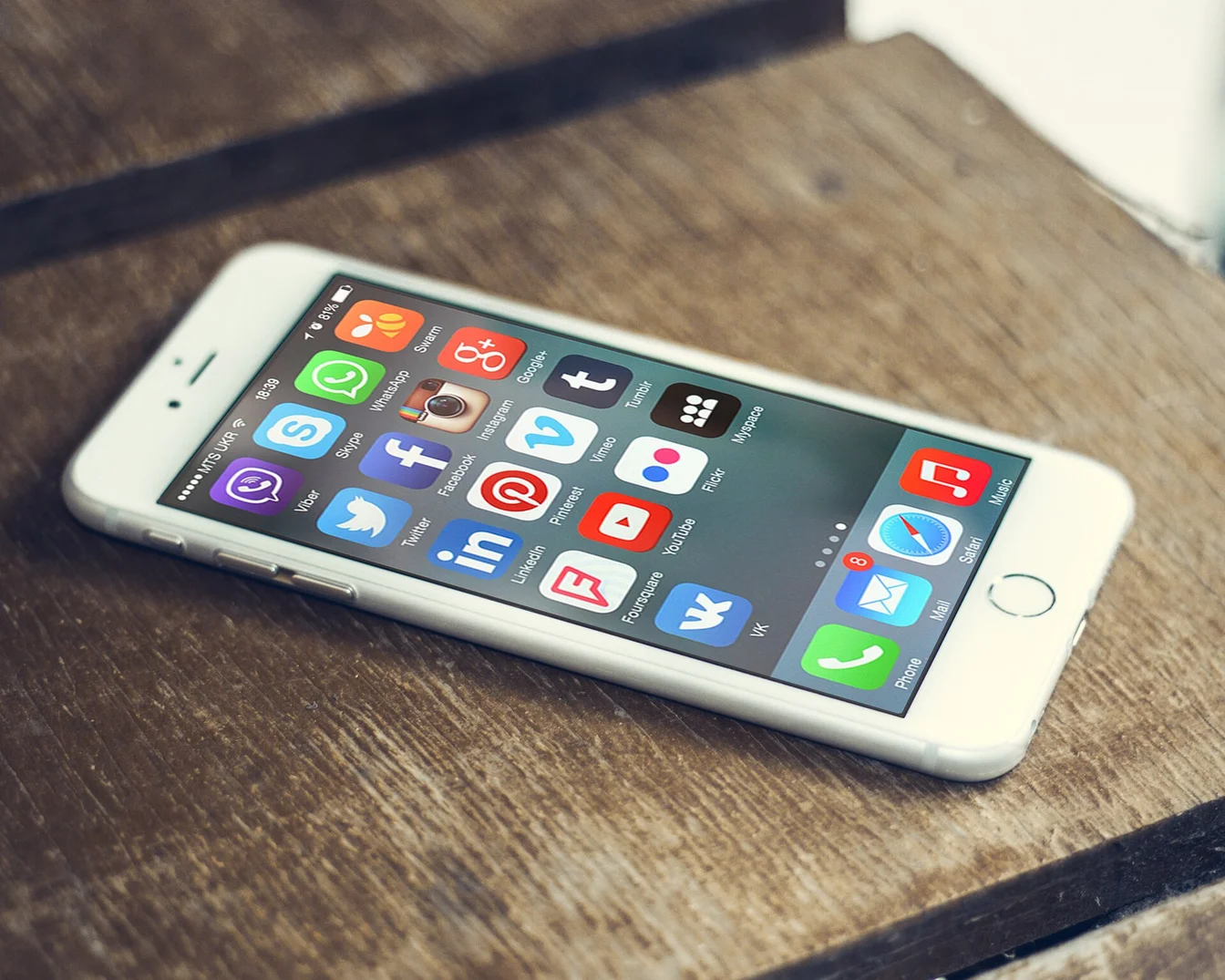
Something shifted in social media this year. And if you are still posting the same way you did in 2024, you are already behind. The social media trends 2026 landscape looks nothing like it did even twelve months ago. Algorithms changed. Audiences got smarter. And the platforms that used to guarantee reach? They now reward completely different behavior.
We spent weeks looking at data from Hootsuite’s 2026 Social Trends Report and watching what top creators actually do — not what they say they do. The gap between those two things is massive. So let’s cut through the noise and talk about what’s really working in social media right now.
According to Statista’s social media statistics, over 5.2 billion people worldwide use social platforms. That number keeps climbing. But how they use those platforms? That’s where the real story is.
AI Content Is Everywhere — But Audiences Want Real
Here is the irony of social media trends 2026: AI tools can now write your posts, generate your images, and even edit your videos. But audiences are getting better at spotting AI content. And many of them do not like it.
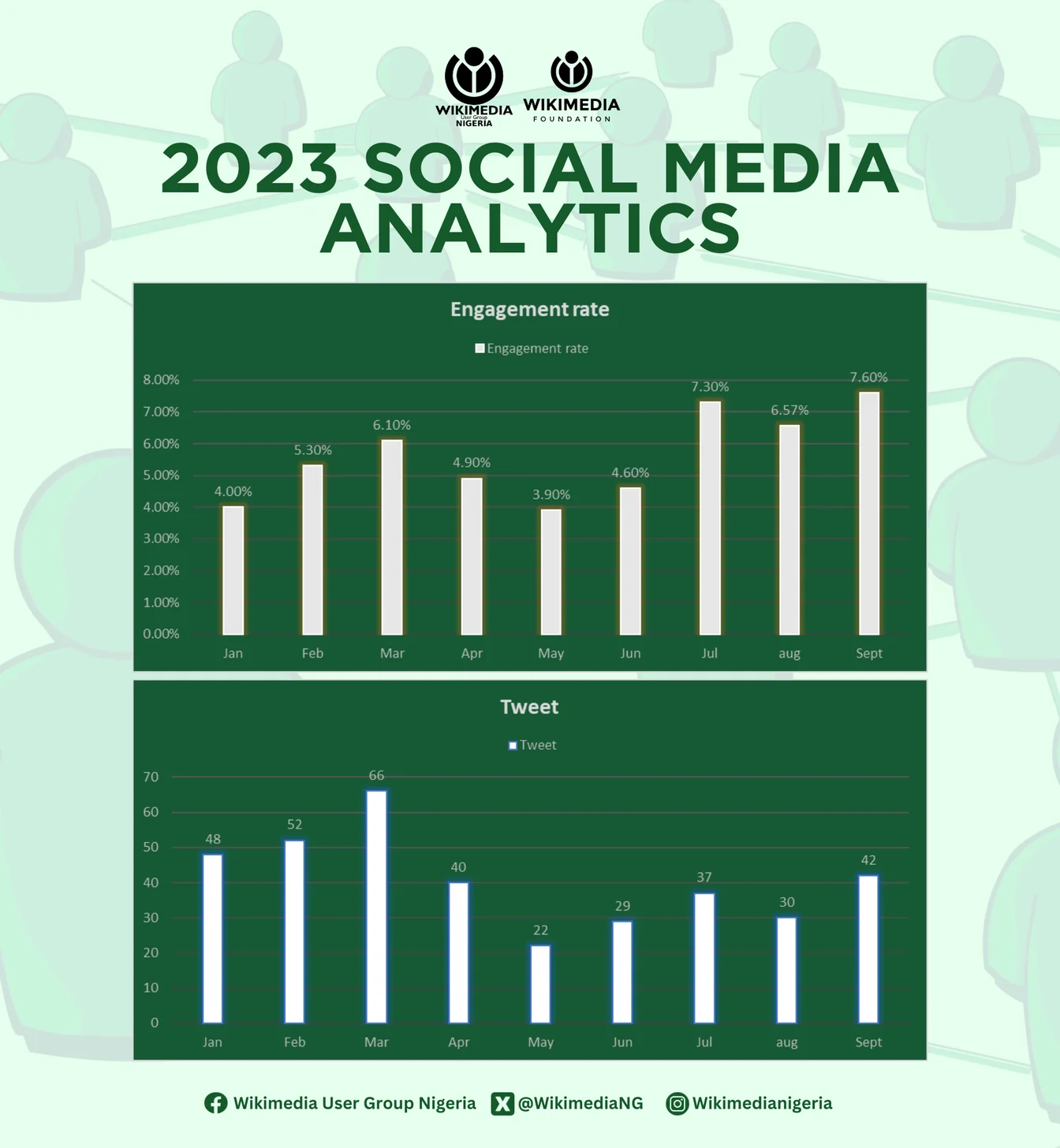
A recent Hootsuite study found that 62% of consumers say they trust human-created content more than AI-generated posts. That does not mean you should stop using AI. It means you need to use it differently.
The creators winning right now use AI as a starting point — then add their own voice, their own stories, their own perspective. Think of AI as your first draft, not your final product. The posts that perform best in 2026 have a clear human touch. A personal take. A real opinion. Something an algorithm simply cannot fake.
This is exactly why we built our AI prompt generator for ChatGPT — it helps you get better starting points so you can focus on adding that human layer that makes content actually connect.
Short-Form Video Still Rules Everything
If there is one thing that has not changed in the social media trends 2026 playbook, it is this: short-form video wins. TikTok, Instagram Reels, YouTube Shorts — these formats still get 2-3x more reach than static posts on every major platform.
But the style of short-form video has shifted. In 2024, it was all about hook-first, fast-cut, high-energy content. In 2026, audiences are gravitating toward slower, more storytelling-driven videos. People want to feel something, not just scroll faster.
The data backs this up. Videos between 30-60 seconds now outperform ultra-short 7-second clips on both Reels and TikTok. Why? Because creators finally figured out that you need more than a flashy hook. You need a story arc — even a tiny one.
Need help turning long videos into short clips? Our YouTube Shorts script generator was built exactly for this — taking your long content and turning it into scroll-stopping short-form gold.
Social Search Is the New Google
This might be the biggest shift in social media trends 2026: people are searching on social platforms instead of Google. Especially younger users. A recent study showed that 40% of Gen Z prefers TikTok or Instagram over Google for finding restaurants, products, and how-to guides.
What does this mean for you? Every post you create should be optimized for search within the platform. That means using the right keywords in your captions. That means adding relevant hashtags. That means writing clear, descriptive text that helps the algorithm understand what your content is about.
Think of your social posts as mini blog posts now. The caption is not an afterthought — it is the thing that helps people find your content. If you want to understand how keyword density works for social captions, check out our SEO keyword density analyzer — the same principles apply.
Community Over Followers: The Big Shift
For years, social media success meant one thing: getting more followers. In 2026, that metric is becoming less important. The new measure of success? Community engagement.
Platforms are actively rewarding content that generates real conversations. Not just likes. Not just shares. Actual comments, DMs, and back-and-forth between creators and their audiences. Instagram’s algorithm now weighs comment depth and reply threads more heavily than simple like counts.
This is why you see so many creators moving to smaller, more engaged audiences. A creator with 10,000 followers who gets 500 meaningful comments will outperform someone with 100,000 followers who gets 20 shallow compliments. The algorithm sees the difference. Brands see the difference too.
The smartest creators in 2026 are building what Hootsuite calls “snowballing” communities — small groups that grow organically through genuine connection rather than viral one-hit content. This approach takes longer. But it builds something that lasts.
Which Platforms Are Winning in 2026
Let’s get specific about the social media trends 2026 platform breakdown:
Instagram (Still #1 for Most Creators)
Instagram remains the top platform for creators and businesses. Reels drive the most reach. Stories drive the most engagement. And the new broadcast channels are becoming a powerful tool for direct audience communication. If you can only be on one platform, make it Instagram.
TikTok (Strong but Uncertain)
TikTok still has incredible reach potential. But the regulatory uncertainty in several countries has made some creators nervous. The smart move? Build your TikTok presence but make sure you are also growing on Instagram or YouTube as a backup. Do not put all your eggs in one basket.
YouTube (The Long Game Winner)
YouTube continues to be the best platform for long-term content value. A video posted today can still get views three years from now. Try saying that about a TikTok. YouTube Shorts has also become a serious competitor to Reels and TikTok, especially for educational and how-to content.
LinkedIn (The Sleeper Hit)
Here is a platform most people sleep on: LinkedIn. For B2B creators, thought leaders, and anyone in the professional space, LinkedIn’s algorithm in 2026 is incredibly generous. Text posts and carousels are getting massive organic reach. If you are not posting on LinkedIn, you are leaving attention on the table.

What Is the Biggest Social Media Trend in 2026?
If we had to pick just one trend that defines social media trends 2026, it is this: the merge of AI efficiency with human authenticity. The creators and brands that figure out how to use AI tools to speed up their workflow while keeping their content genuinely human are the ones winning right now.
This is not about choosing between AI and authenticity. It is about using AI to handle the boring parts — caption variations, hashtag research, video editing — so you can spend more time on the things only you can do: sharing your perspective, telling your stories, building real connections with your audience.
The data from National University’s social media research confirms this. Brands that combine AI-assisted content creation with genuine community engagement see 47% higher engagement rates than those relying purely on automated posting.
Is TikTok Still Growing in 2026?
Yes — but the growth looks different. TikTok’s user base continues to expand globally, especially in Southeast Asia and Latin America. However, in the US and Europe, growth has plateaued. The platform is now focusing on keeping users longer rather than getting new users.
For creators, this means TikTok’s algorithm now rewards watch time and completion rate even more than before. The average successful TikTok in 2026 is 35-50 seconds long, tells a complete mini-story, and ends with a clear reason to comment or share. Gone are the days of random 7-second lip-sync clips going viral.
How Is AI Changing Social Media?
AI is changing social media in three big ways. First, content creation: tools like ChatGPT, Midjourney, and CapCut’s AI editor make it faster to produce posts, images, and videos. Second, distribution: platforms use AI to decide who sees your content and when. Third, analytics: AI tools can now predict which of your posts will perform best before you even publish them.
But here is the catch — everyone has access to these same tools. When everyone can create good content fast, the bar for “great” content goes up. The differentiator in 2026 is not access to AI. It is how you use it to amplify your unique voice and perspective. That is the skill worth developing.
Frequently Asked Questions
What are the top social media trends in 2026?
The top social media trends in 2026 include AI-assisted content creation, the rise of social search over traditional Google searches, short-form storytelling video, community-first engagement strategies, and the growing importance of authenticity over polished perfection.
Is Instagram still worth it in 2026?
Yes. Instagram remains the most valuable platform for most creators and businesses in 2026. Reels drive the most organic reach, Stories drive daily engagement, and broadcast channels offer direct audience connection. It is still the best all-around platform.
How often should you post on social media in 2026?
Quality beats quantity in 2026. Most successful creators post 4-7 times per week on their primary platform rather than multiple times daily. Focus on creating fewer, better posts that generate real conversation rather than filling your feed with forgettable content.
What type of content gets the most engagement in 2026?
Storytelling-based short-form video (30-60 seconds) gets the most reach. But for raw engagement, community-driven content like polls, Q&As, and behind-the-scenes posts generate the most comments and shares. The key is making people feel involved, not just entertained.
Are hashtags still relevant in 2026?
Yes, but their role has shifted. Hashtags are now more about helping the algorithm categorize your content for search rather than reaching new audiences through tag browsing. Use 5-10 highly relevant hashtags that describe your content specifically. Avoid generic ones like #fyp that add no context.
Disclaimer: This article reflects our analysis of current social media trends and publicly available data. Platform algorithms and features change frequently. Stats mentioned are based on reports available at the time of writing. Always test strategies for your specific audience and niche.