Celebrity Fashion Global Trends 2026: The Billion-Dollar Industry
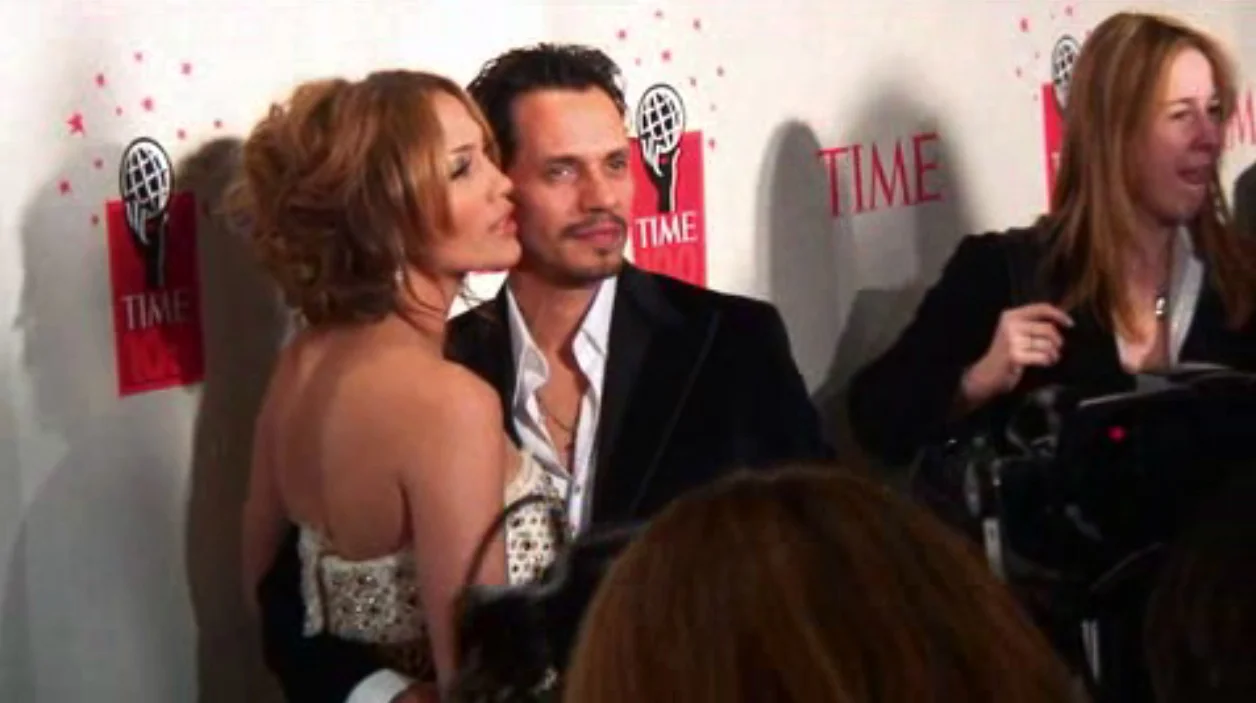
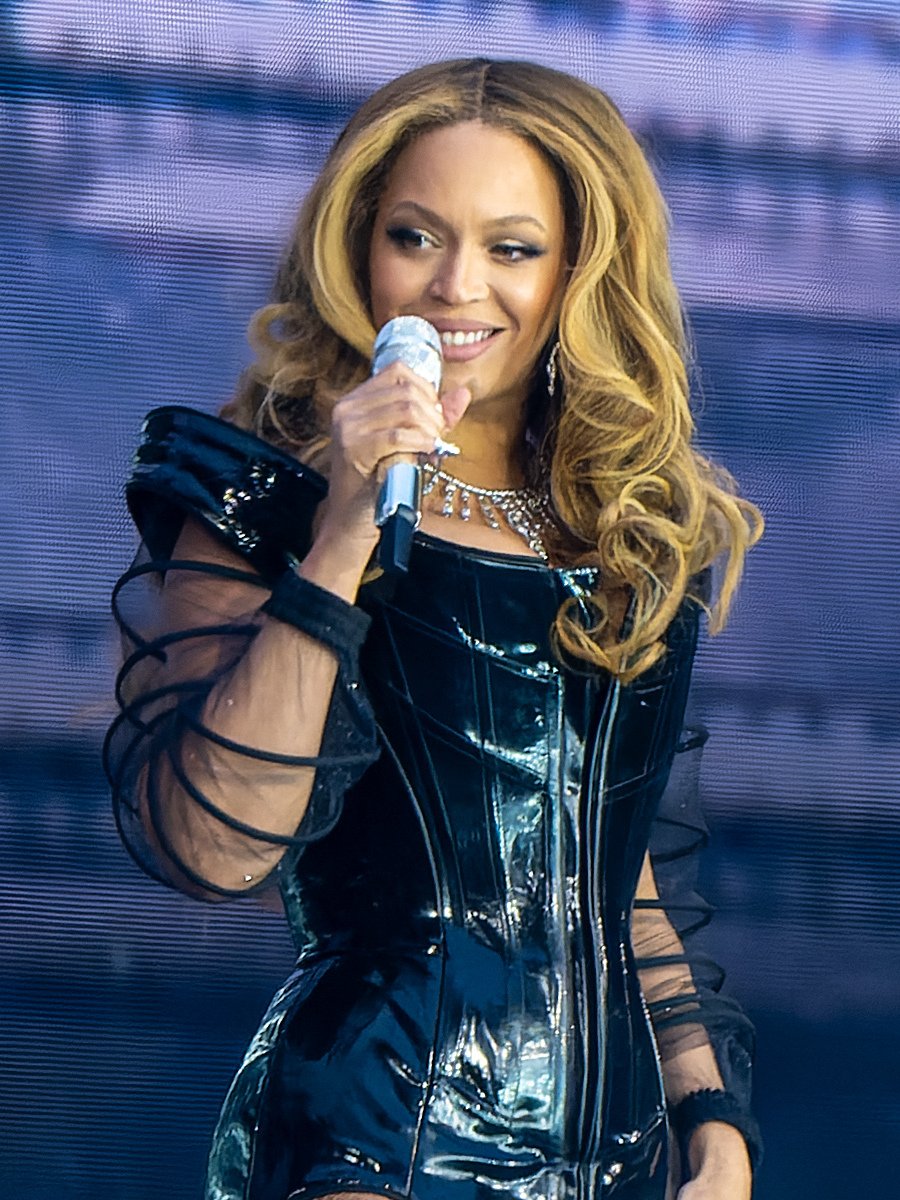
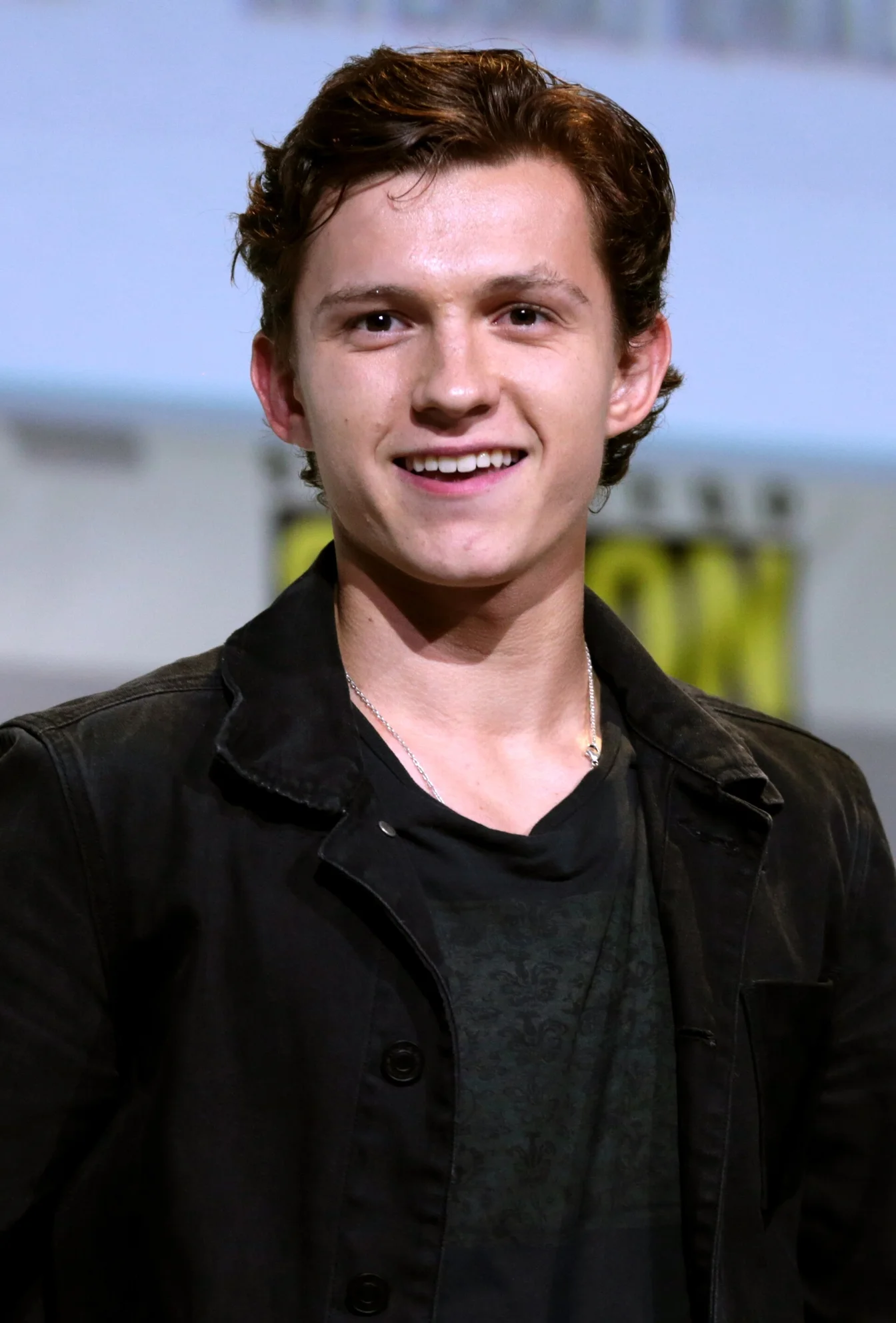
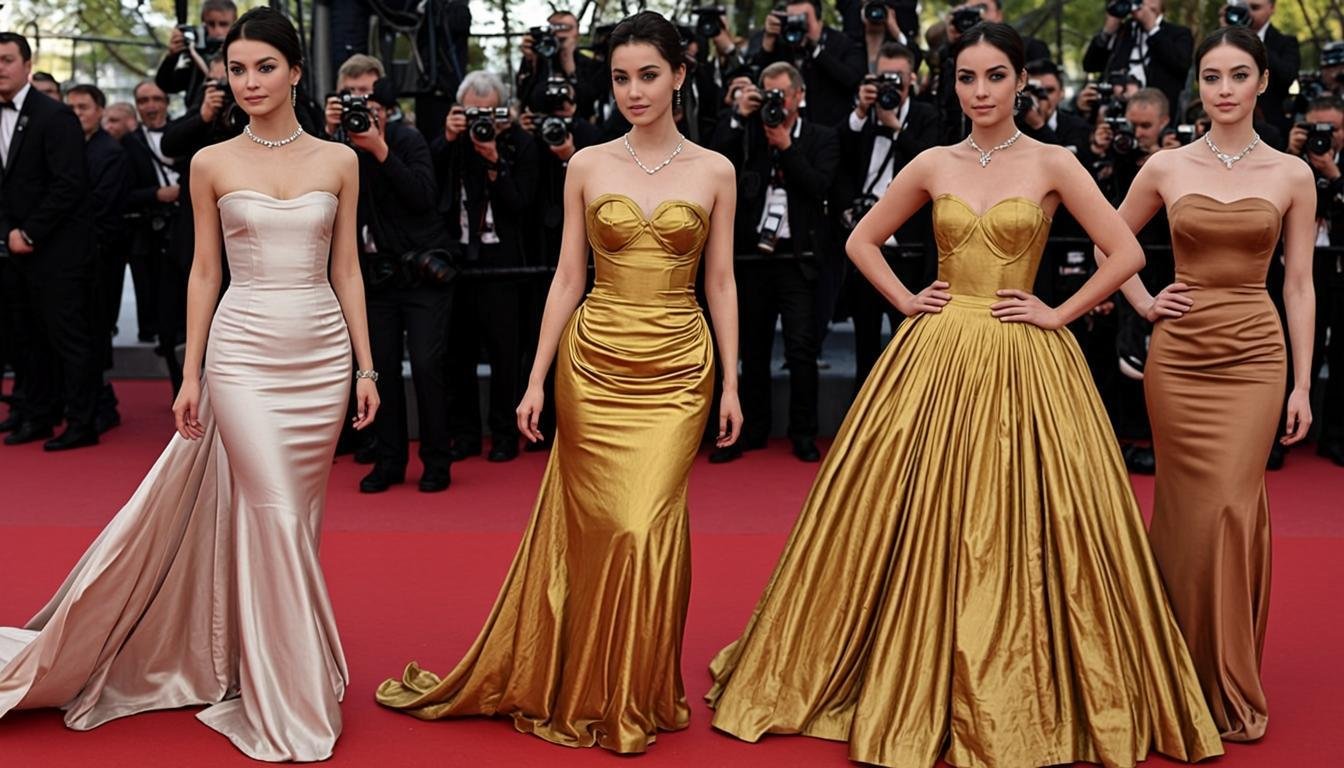
Celebrity fashion global trends aren’t just about looking good on the red carpet anymore — they’re driving a billion-dollar industry that shapes what millions of people wear every single day. In 2026, the influence of celebrity fashion on global trends has reached levels that would have seemed impossible just five years ago. From Taylor Swift sparking cottage-core crazes to Kylie Jenner selling out lip kits in seconds, celebrity style is big business.
We think most people underestimate just how much their wardrobe choices are influenced by what celebrities wear. It’s not conscious — you might not even realize it. But the data doesn’t lie. When a major star steps out in a particular brand, searches for that brand spike by up to 400% within hours. That’s power. And in 2026, that power is worth billions.
Table of Contents
How Celebrity Fashion Shapes Global Trends in 2026
The relationship between celebrity fashion and global trends has changed dramatically. It used to be a one-way street: celebrities wore designer clothes, and magazines told us what to think about them. Now it’s a feedback loop. Celebrities influence fans, fans drive social media engagement, and that engagement feeds back into what brands create next.
From Red Carpet to Shopping Cart
The speed is what’s new. Ten years ago, a celebrity look would appear in a magazine, and affordable versions would hit stores months later. Now? Fast-fashion brands can replicate a celebrity outfit in under two weeks. Some AI-powered design tools can do it in days. The moment a photo hits Instagram, the machine starts running.
According to Forbes’ coverage of the fashion economy, the global fashion industry is worth over $1.5 trillion, and celebrity-driven trends account for a significant and growing share of that total. We’re talking about an influence pipeline that moves from red carpet to retail at unprecedented speed.
The Social Media Amplifier
Social media turned celebrity fashion from something you observed into something you participated in. When a celebrity posts an outfit, fans don’t just admire it — they recreate it, discuss it, rate it, and share it. Each post generates millions of impressions, and those impressions translate directly into sales. The hashtag #CelebrityFashion has over 50 billion views on TikTok alone.
This isn’t accidental. Celebrities and their teams know exactly what they’re doing. Every outfit is a calculated decision designed to maximize engagement and drive brand value. We think the most successful celebrity-fashion partnerships are the ones that feel authentic — where the star genuinely likes what they’re wearing, and the audience can tell the difference.
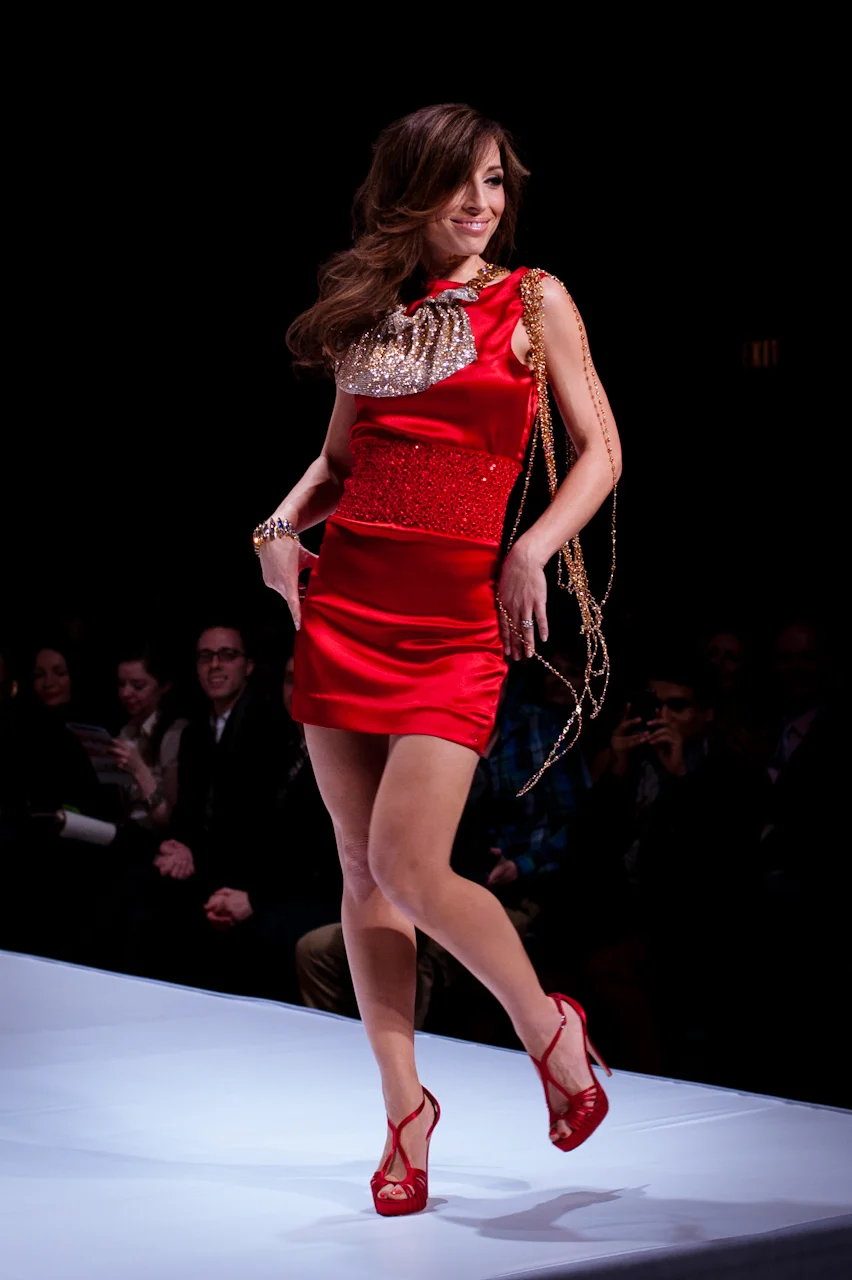
The Biggest Celebrity Fashion Trends of 2026
So what are people actually wearing this year because of celebrity influence? Let’s break down the biggest celebrity fashion global trends driving the market right now.
1. Quiet Luxury Goes Mainstream
The “quiet luxury” movement — high-quality basics without visible logos — started as a niche aesthetic and exploded when A-listers embraced it. Think neutral colors, perfect tailoring, and fabrics that feel expensive without screaming brand names. It’s the anti-logo movement, and it’s reshaping how luxury brands design their collections.
The irony? Some “quiet luxury” pieces cost more than their logo-covered counterparts. But the appeal is clear: it signals wealth through quality rather than branding. In our view, this trend says something interesting about where culture is right now. After years of “look at me” fashion, people want subtlety — even if they’re spending just as much.
2. Y2K Revival 2.0
Just when you thought the Y2K revival was over, it came back with a twist. This time it’s not pure nostalgia — it’s Y2K filtered through 2026 sensibilities. Lower-rise jeans, metallic accents, and butterfly motifs are back, but with modern silhouettes and sustainable materials.
Artists like Miley Cyrus and Selena Gomez have been spotted mixing vintage Y2K pieces with contemporary designs. The result is a look that feels nostalgic and fresh at the same time — and it’s flying off shelves worldwide.
3. Gender-Fluid Fashion Hits the Mainstream
This might be the most significant trend of 2026. Gender-fluid fashion has moved from the fringe to the center, driven largely by celebrity endorsement. Stars wearing skirts, dresses, and makeup on red carpets regardless of gender has become common rather than controversial.
The business impact is real. According to Vogue’s reporting on gender-fluid fashion, brands that embrace gender-neutral collections are seeing 30% higher growth rates than those that stick to traditional categories. It’s not just progressive — it’s profitable.
The Business Engine Behind Celebrity Fashion Global Trends
Let’s talk money. Celebrity fashion global trends don’t just influence what people wear — they drive enormous economic activity across multiple industries.
Brand Endorsement Deals
A single celebrity-brand partnership can be worth $10 to $50 million. But the real value isn’t in the contract — it’s in what happens next. When a celebrity wears a brand, that brand’s stock price often rises. Sales jump. New customers discover the label. The return on investment can be five to ten times the endorsement fee.
Take Beyoncé as an example. Her partnership with a major fashion house generated an estimated $200 million in media value. That’s not revenue from product sales — that’s the value of the attention she brought to the brand. Attention is the currency of the 2020s, and celebrities have more of it than almost anyone.
Celebrity-Owned Fashion Brands
The biggest shift in 2026 isn’t celebrities wearing brands — it’s celebrities owning them. Lady Gaga, Ariana Grande, and dozens of other stars have launched their own fashion lines. The advantage is obvious: instead of earning a fee to promote someone else’s brand, they keep all the profits from their own.
But it’s not as easy as slapping your name on a label. The celebrity fashion brands that succeed are the ones where the star is genuinely involved in design and quality control. Fans can tell when a celebrity actually cares about their product versus when they’re just cashing in.
The Fast-Fashion Pipeline
Here’s where the economics get interesting — and where the ethics get complicated. Fast-fashion brands monitor celebrity appearances in real time. Within hours of a celebrity wearing something notable, budget versions appear on their websites. The prices are a fraction of the original, making celebrity style accessible to millions who can’t afford designer prices.
Is this democratization of fashion, or is it exploitation of intellectual property? We think it’s both. On one hand, it lets regular people participate in trends they’d otherwise be priced out of. On the other hand, it undermines the original designers and often involves unsustainable manufacturing practices.
How Different Regions Respond to Celebrity Fashion Global Trends
Celebrity fashion global trends don’t land the same way everywhere. What goes viral in New York might not resonate in Tokyo. Understanding these regional differences is key to understanding the true scale of celebrity fashion’s impact.
North America and Europe
In Western markets, celebrity fashion trends spread primarily through social media and celebrity gossip sites. The emphasis is on individualism — people take inspiration from celebrities but adapt it to their personal style. Sustainability is a growing concern, especially among younger consumers who want the look without the environmental guilt.
Asia-Pacific Markets
Asian markets, particularly South Korea and Japan, have their own celebrity fashion ecosystems. K-pop idols wield enormous influence — sometimes more than Western celebrities in their home markets. The aesthetic tends toward more polished, coordinated looks rather than the casual-chic style popular in the US.
The cross-pollination between East and West is accelerating. Western celebrities reference Asian fashion, and K-pop stars wear Western designers. It’s a two-way street that makes the global fashion market more interconnected than ever.
Emerging Markets
In Africa, Latin America, and Southeast Asia, celebrity fashion trends are growing fast as internet access expands and middle classes grow. Local celebrities are becoming as influential as global ones, creating regional fashion movements that are distinct from Western trends.
As Bloomberg reported on fashion’s expansion into emerging markets, the next billion fashion consumers will come from these regions. Celebrity influence will play a major role in shaping what they buy.
The Sustainability Question in Celebrity Fashion
You can’t talk about celebrity fashion global trends in 2026 without addressing the sustainability problem. Fashion is one of the world’s most polluting industries, and celebrity-driven fast consumption makes it worse.
Are Celebrities Part of the Problem or the Solution?
It’s complicated. On one hand, celebrities drive demand for fast fashion by making trends move faster than ever. On the other hand, many are using their platforms to promote sustainable brands and practices. The celebrity who wears a new designer outfit every day is part of the problem. The one who rewears outfits and promotes vintage shopping is part of the solution.
We think the industry needs a middle ground. Nobody expects celebrities to stop dressing beautifully. But making sustainability the default — not the exception — would make a real difference. And celebrities have the power to normalize that shift.
Circular Fashion and Celebrity Influence
The circular fashion movement — designing clothes to be reused, recycled, and kept out of landfills — is gaining traction. Several high-profile celebrities have started wearing exclusively vintage or upcycled outfits to major events. It sends a powerful message when the most photographed people in the world choose pre-owned fashion.
This connects to broader themes we cover, like the intersection of tech and culture. The autonomous smart city movement includes sustainability goals, and the quantum AI breakthroughs we’ve reported on could help design better recycled materials. Everything is connected.
The Greenwashing Risk
Not every “sustainable” celebrity fashion moment is what it seems. Greenwashing — making something appear more environmentally friendly than it is — is rampant in the fashion industry. A celebrity wearing a “sustainable” outfit that was flown halfway around the world for one event isn’t really helping. We think consumers need to look beyond the label and ask real questions about supply chains and practices.
What’s Next for Celebrity Fashion Global Trends
If 2026 is any indication, celebrity fashion’s influence will only grow. But the way that influence works is changing. Here’s what we expect to see next.
AI-Generated Celebrity Style
AI tools can now generate outfit suggestions based on a celebrity’s style DNA. Some stylists are already using these tools to plan red carpet looks. It won’t replace human creativity, but it will speed up the design process and reduce waste from unwanted samples.
Virtual Fashion and Digital Clothing
Why buy a physical outfit when you can buy a digital one? Virtual fashion — clothing that exists only online — is a growing market. Celebrities are starting to sell digital outfits that fans can use on their social media avatars. It sounds strange, but the market is projected to reach $50 billion by 2028.
Greater Diversity and Representation
The most positive trend in celebrity fashion is the push for diversity. More body types, more ages, more cultures, and more abilities are being represented on red carpets and in campaigns. It’s not perfect yet, but the direction is clear. Fashion is for everyone, and celebrity influence is slowly — finally — reflecting that reality.
Frequently Asked Questions
How much is the celebrity fashion industry worth in 2026?
The global fashion industry is worth over $1.5 trillion, with celebrity-driven trends accounting for a significant and growing share. Celebrity-brand endorsement deals alone can range from $10 to $50 million per partnership, and the media value generated often far exceeds those fees.
Which celebrity has the biggest influence on fashion trends?
Influence varies by region and demographic. Taylor Swift, Beyoncé, and Kylie Jenner are among the most influential globally. In Asian markets, K-pop idols often have more sway than Western celebrities. No single celebrity dominates worldwide.
How fast do celebrity fashion trends reach consumers?
With AI-powered design tools, fast-fashion brands can replicate a celebrity outfit in under two weeks. Some brands move even faster. Social media creates demand within hours of a celebrity appearance, and the retail pipeline responds at unprecedented speed.
Is celebrity fashion sustainable?
It’s a mixed picture. Celebrity-driven fast fashion contributes to environmental problems, but many celebrities are also promoting sustainable brands, vintage shopping, and circular fashion. The industry is shifting, but progress is uneven.
What is the quiet luxury trend?
Quiet luxury refers to high-quality, minimal clothing without visible logos. It emphasizes fabric quality and tailoring over brand recognition. The trend has gone mainstream in 2026, driven by celebrity adoption and a cultural shift toward subtlety.
How are celebrity-owned fashion brands performing?
Celebrity-owned brands are a major trend in 2026. The most successful ones feature genuine celebrity involvement in design and quality control. Brands that feel authentic outperform those that appear to be purely licensing deals.
This article is for informational purposes. Details are based on publicly available sources and may change.